Last updated: June 2026
You notice the IR glow is dimmer than last month. The image quality has degraded to a blurry mess. You climb up to inspect and find a wasp nest — or the remains of one — inside the camera housing. The wasps have chewed through the weather seals, dragged debris across the sensor, and partially destroyed the IR LED board. This is not vandalism. It is the wasp treating your camera exactly as it treats any dry, sheltered cavity in nature.
Why Camera Housings Are Prime Wasp Real Estate
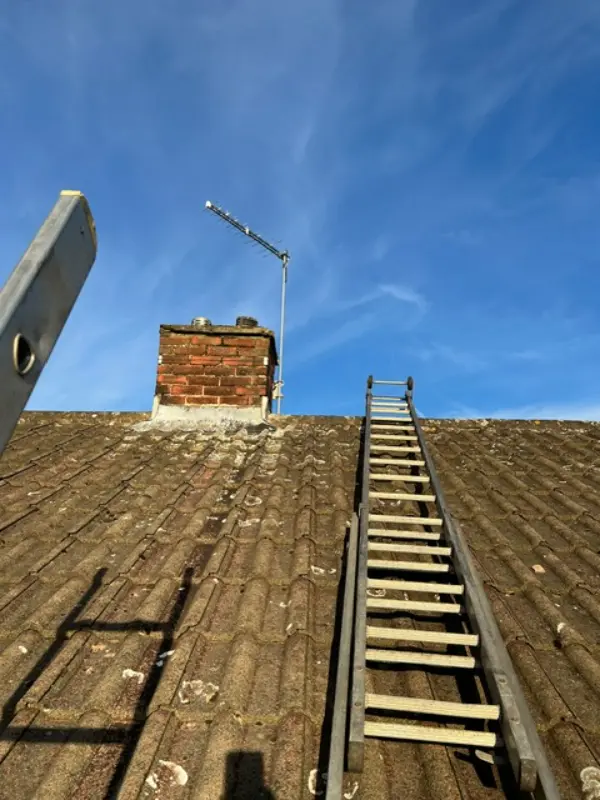
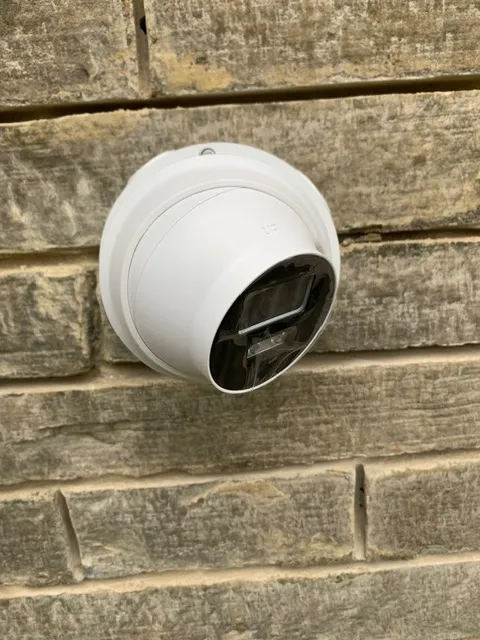
A CCTV camera junction box and housing assembly provides everything a queen wasp seeks when establishing a nest: a dry cavity protected from rain and wind, a small entrance gap that excludes larger predators, warmth from the camera's electronics, and a stable structure to anchor the nest.
In nature, wasps nest in tree hollows, wall cavities, and under eaves. CCTV housings replicate these conditions perfectly. The wasp does not know it is inside a camera. It knows it has found a perfect nesting site, and it will defend that site aggressively.
The Damage Timeline
Week 1: A queen wasp investigates the housing gap during spring. She may enter and exit several times. You do not notice anything. Week 2-4: The queen builds a small starter nest inside the housing. The camera image shows a slight haze in one corner. Month 2: Worker wasps expand the nest. Debris accumulates on the sensor. The IR glow is noticeably dimmer. Month 3: The nest blocks the IR LEDs partially or completely. Image quality is severely degraded. Wasps have chewed seal material, creating additional entry points for moisture. Month 4+: Camera failure from moisture ingress or physical damage to electronics.
Non-Toxic Prevention Methods
Method 1: Fill all housing gaps larger than 3mm with silicone sealant or stainless steel mesh. Wasps need a gap of approximately 5mm to enter. If they cannot get in, they cannot nest. This is 100% effective and permanent.
Method 2: Install a mesh guard over the housing vent and cable entry. Stainless steel mesh with 2mm openings allows air circulation but blocks wasp entry. This is the preferred solution because it does not seal the housing completely.
Method 3: Painting the housing interior white wasps find dark, sheltered cavities more attractive than bright ones. Painting the interior of the housing white reduces its appeal without affecting camera function.

What Not to Do
Do not use insecticide inside the camera housing. The chemicals corrode circuit boards, damage plastic components, and leave toxic residue that attracts dust. Do not block the housing pressure vent — this creates condensation problems. Do not rely on wasp repellent sprays — they wash off in rain and need reapplication every 2-3 weeks.

Video: H.265 (HEVC) vs H.264 (AVC) Compression: Explained! — a practical walkthrough of the technology discussed in this guide.
Frequently Asked Questions
1. Does this happen more in certain parts of the UK?
Answer: Yes. Rural and suburban areas with higher wasp populations see more housing infestations. Urban areas with fewer wasps and more sealed building cavities are less affected. Parts of southern England with longer summers report the highest rates. For more detail, see How to maintain Construction Sites CCTV systems - UK guide 2026. Also read our related guide: Why Your CCTV Motion Detection Fails in the Rain: The Optical Flow Blindness That No Sensitivity Setting Fixes. Browse our comprehensive CCTV knowledge base at CCTV Systems Guide. Official UK guidance on this topic: GOV.UK.
2. Can I use a camera with a different shape to avoid wasp nests?
Answer: Cylindrical bullet cameras with fully sealed bodies have fewer cavities for wasps to exploit. Dome cameras with integrated base plates offer more crevices. The junction box design matters more than the camera module. For more detail, see How to maintain Schools and Education Settings CCTV systems - UK guide 2026. Also read our related guide: The Condensation Inside Your CCTV Dome: Why It Happens and Why Wiping It Makes It Worse.
3. Will a fake wasp nest near the camera deter real wasps?
Answer: No. Fake wasp nests are not scientifically proven to deter wasps. Wasps establish nests based on cavity availability, not competition avoidance. Physical exclusion is the only reliable prevention. For more detail, see Can CCTV record areas beyond the public entrance lobby in UK hotels? UK Hotels and Hospitality CCTV rules explained 2026. Also read our related guide: Why 2.8mm Camera Lenses Are Ruining Your AI Person Detection: The Focal Length Truth Manufacturers Will Not Tell You.
4. How do I remove an active wasp nest from a camera housing safely?
Answer: Do not approach an active nest. Call a professional pest controller. After the nest is removed, seal all entry points before the next queen season (March-April). If the nest is inactive (winter), wear protective gloves and remove the debris carefully. Check for eggs and queen hibernation before sealing. For more detail, see How to install CCTV for Retail Shops and Stores - UK step by step guide 2026. Also read our related guide: The AI Confidence Threshold Hack: Why Setting Your Detection to 80% Instead of 60% Changes Everything.
5. Do wasps return to the same camera housing year after year?
Answer: Wasps do not reuse old nests, but a housing that remains unsealed after removal is just as attractive to next year's queen as it was to this year's. Seal after removal to prevent recurrence. Also read our related guide: Why ONVIF Profile G, Q, and T Matter: The Camera Compatibility Spec That Determines If Your NVR Actually Works.
Conclusion
The difference between a security system that works and one that frustrates is understanding the real-world behaviour of cameras, cables, and the environment they operate in. Manufacturers sell specifications. Installers solve problems. The questions above represent the issues that UK homeowners and businesses actually face — the ones the spec sheets do not mention.
Article by Gary Pearce, qualified security systems engineer. For a free security assessment, visit gary-pearce-home-services.pages.dev. This guide was last updated June 2026. Verify current UK regulations with the ICO.