Last updated: June 2026
You paid GBP 200 for a weatherproof IP camera rated to IP67. The spec sheet promises years of reliable outdoor service. Within 18 months of installation on a UK farm, the image is foggy, the housing is cracked, and the IR no longer works. This is not a camera defect. It is the difference between laboratory testing and British rural reality — a gap the CCTV industry exploits rather than explains.
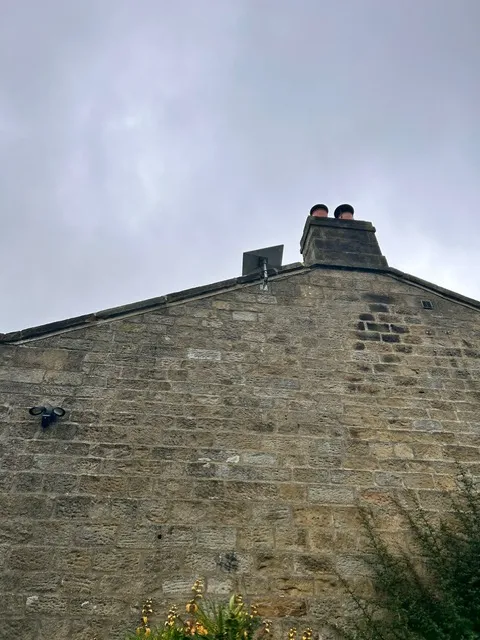
The Five Rural Killers
1. UV degradation. Polycarbonate camera housings are tested to UV exposure standards that assume 8 hours of sunlight per day, 365 days per year. Rural UK cameras receive UV exposure, but also frost, rain, wind-borne grit, and agricultural chemical residue that accelerate polymer degradation. Crazing (micro-cracking) of the housing surface appears within 12-18 months on budget cameras.
2. Particulate ingress. Rural air contains agricultural dust, pollen, silage particles, and soil. IP67 seals are tested with defined particle sizes. Agricultural dust contains fine particulates smaller than the test standard. These particles work past seals through thermal cycling and accumulate inside the housing, coating the sensor and lens.
Why IP67 Is Not Enough for Farms
IP67 certification tests against dust ingress using talcum powder (125 micrometre particles). Agricultural environments generate dust particles as small as 1-5 micrometres from dried soil, grain handling, and livestock feed. These ultrafine particles pass through seals that pass the IP67 test.
A camera that survives 5 years in a suburban garden may fail within 18 months on a dairy farm. The IP rating is identical. The environment is not. Manufacturers test to standards, not to actual conditions.
The Condensation Loop
Rural UK temperature swings are more extreme than urban ones. A camera mounted on an agricultural building faces rapid temperature changes at dawn and dusk. Warm air inside the camera housing holds moisture. When the temperature drops rapidly, the moisture condenses on the internal lens surface. The image becomes hazy. Over repeated condensation cycles, mineral deposits build up on the lens.
This is not a seal failure. It is the camera breathing. Every temperature cycle draws air in and out through the housing's pressure-equalisation vent. If that vent is not equipped with a waterproof breathable membrane (ePTFE), moisture-laden air enters the housing and condensation follows.

The UV Degradation Timeline
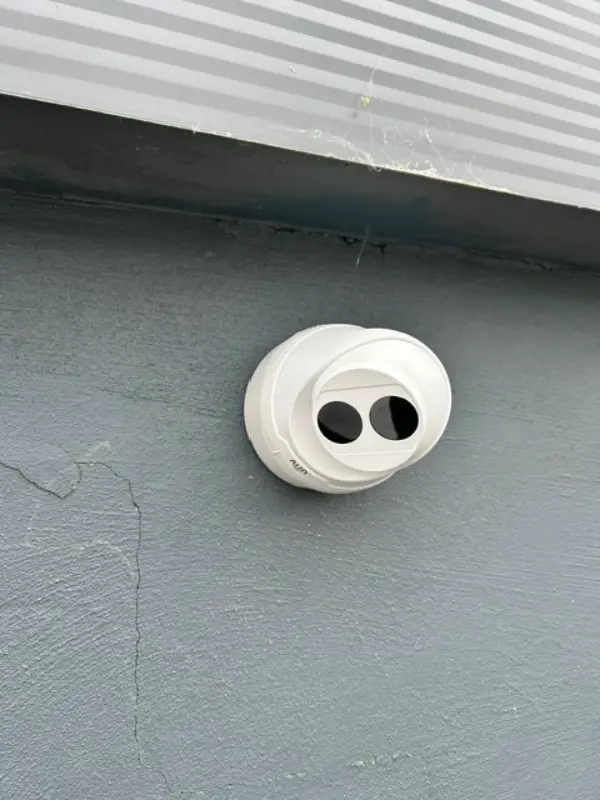
Standard polycarbonate: 12-18 months before surface crazing becomes visible. ASA plastic: 24-36 months. UV-stabilised polycarbonate: 36-48 months. Metal housing (aluminium or stainless steel): no UV degradation but potential corrosion issues. The practical conclusion: aluminium-housed cameras are worth the premium for rural UK installations. Plastic housings are a recurring expense.
Video: Apple HomeKit Secure Video Beginners Guide! (2024) — a practical walkthrough of the technology discussed in this guide.
Frequently Asked Questions
1. Can I extend the life of a plastic-housed camera in rural conditions?
Answer: Apply a UV-protective coating (automotive-grade clear coat with UV blockers) to the housing surface. This can extend the crazing timeline by 12-18 months. However, the coating must be reapplied annually and does nothing to address internal seal degradation. For more detail, see Data Cabling Darlington 2026 Audit. Also read our related guide: The Dawn Fog Problem: Why Your UK CCTV Camera Goes Blind Every Morning Between 5 and 7 AM. Browse our in-depth home security resource at Home Security Guide. Official UK guidance on this topic: NSI.
2. Does a camera with an IP68 rating survive better in rural conditions?
Answer: IP68 offers better water protection (continuous submersion) but does not solve particulate ingress from agricultural dust or UV degradation. The same ultrafine particle problem applies. Look for cameras specifically marketed as 'agricultural' or 'industrial' rated, which use different seal materials. For more detail, see How to install CCTV for Gyms and Fitness Centres - UK step by step guide 2026. Also read our related guide: Why Wasps Build Nests Inside CCTV Camera Housings and How to Stop Them Without Poison.
3. How often should I service a rural CCTV camera compared to an urban one?
Answer: Urban: annual inspection. Suburban: 6-month inspection. Rural (agricultural): quarterly inspection. Rural (coastal): quarterly inspection with additional corrosion check. Rural (moorland/exposed): bi-monthly inspection during winter months. For more detail, see How to install CCTV for Care Homes and Assisted Living - UK step by step guide 2026. Also read our related guide: Why Your CCTV Motion Detection Fails in the Rain: The Optical Flow Blindness That No Sensitivity Setting Fixes.
4. Should I use desiccant packs inside the camera housing?
Answer: Desiccant packs inside sealed housings can absorb residual moisture during assembly. However, they saturate within weeks if the housing breathes during thermal cycling. A breathable vent with ePTFE membrane is more effective than desiccant over the long term. For more detail, see How to install CCTV for Offices and Commercial Buildings - UK step by step guide 2026. Also read our related guide: The Condensation Inside Your CCTV Dome: Why It Happens and Why Wiping It Makes It Worse.
5. Why do my rural cameras fail more in summer than winter?
Answer: Summer brings higher UV exposure, more insect activity, agricultural dust from harvesting, and higher internal housing temperatures that accelerate chemical degradation of seals and plastics. Winter kills via moisture, but summer kills via UV and particulates. Also read our related guide: Why 2.8mm Camera Lenses Are Ruining Your AI Person Detection: The Focal Length Truth Manufacturers Will Not Tell You.
Conclusion
The difference between a security system that works and one that frustrates is understanding the real-world behaviour of cameras, cables, and the environment they operate in. Manufacturers sell specifications. Installers solve problems. The questions above represent the issues that UK homeowners and businesses actually face — the ones the spec sheets do not mention.
Article by Gary Pearce, qualified security systems engineer. For a free security assessment, visit gary-pearce-home-services.pages.dev. This guide was last updated June 2026. Verify current UK regulations with the ICO.