Last updated: June 2026
The conflict between sealing a camera housing against moisture and allowing internal pressure to equalise with the atmosphere is the central engineering challenge of outdoor CCTV housing design. A perfectly sealed housing cannot equalise pressure, so temperature changes cause the housing to breathe through microscopic gaps, drawing in moist air that condenses inside. The solution is a controlled vent that equalises pressure while blocking liquid water and water vapour. Understanding this balance is essential for preventing the most common cause of dome camera failure.
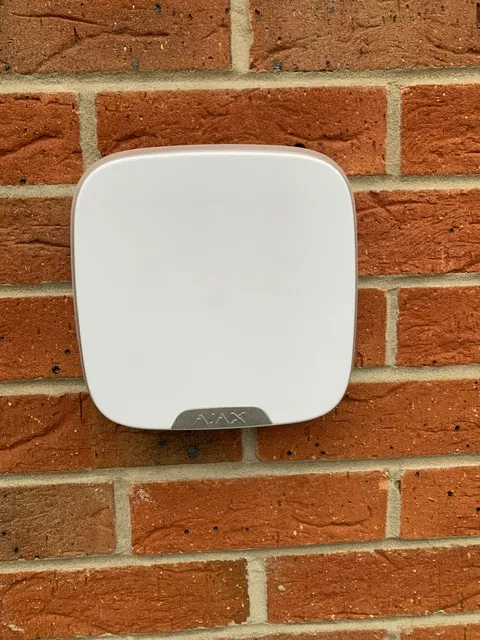
The Breathing Cycle of a Sealed Housing
A camera housing sealed at 20 degrees Celsius contains a fixed volume of air. When the sun heats the housing to 50 degrees Celsius, the internal pressure increases by approximately 10% (Gay-Lussac’s law). The pressure forces air out through any microscopic gap in the seals. At night, the housing cools to 5 degrees Celsius and the internal pressure drops below atmospheric by approximately 5%. This negative pressure draws external air into the housing. The external air is typically more humid at night, and when it enters the cooler housing, its relative humidity rises to 100%, causing condensation on the internal surfaces. This daily cycle gradually accumulates water inside the housing.
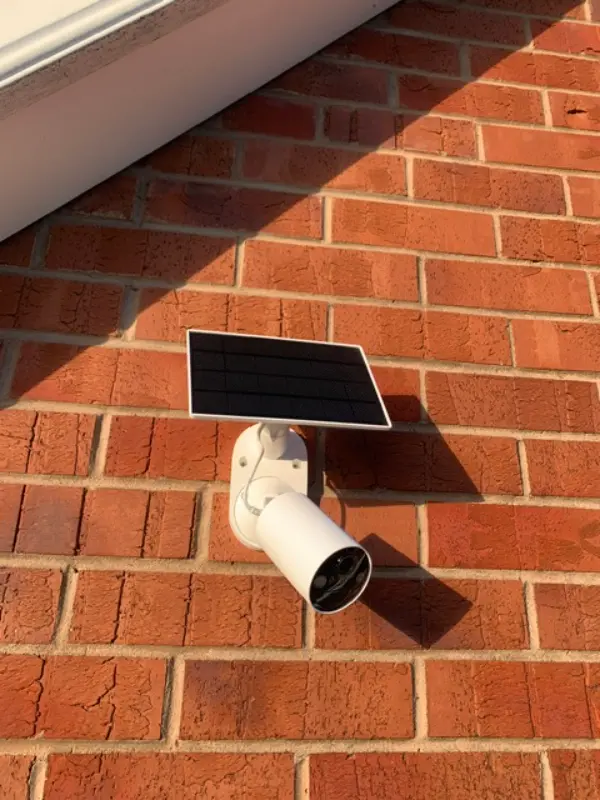
How Gore-Tex and Breathable Vents Work
A breathable vent membrane such as Gore-Tex uses expanded PTFE with pores approximately 0.2 microns in diameter. These pores are 20,000 times smaller than a water droplet (5 microns minimum) but 700 times larger than a water vapour molecule (0.00028 microns). The membrane blocks liquid water while allowing water vapour and air to pass freely. This equalises pressure without allowing liquid water ingress. A camera with a Gore-Tex vent experiences no internal pressure differential, so the breathing cycle does not draw in moisture. The vent also allows any internal moisture to evaporate outward during the day.
When the Vent Itself Becomes the Problem
The vent membrane can become blocked by dust, spider webs, paint overspray, or insect debris. A blocked vent cannot equalise pressure, and the breathing cycle resumes through whatever gaps exist in the housing seals. The vent must be positioned where it is protected from direct spray, paint, and debris. It must not be painted or covered. The vent’s protective cover must be cleaned annually. In coastal UK locations, salt spray can crystallise on the vent membrane, gradually blocking the pores. Vent replacement every 3–5 years is recommended for coastal installations.
How to Retrofit a Camera Without a Vent
If a camera lacks a breathable vent and develops internal condensation, a retrofitted solution is to install a desiccant plug. A desiccant plug screws into a 20 mm hole drilled in the housing base and contains silica gel beads visible through a clear window. When the silica gel changes colour (typically blue to pink), it has absorbed its capacity of moisture and must be replaced. The desiccant plug absorbs existing internal moisture and reduces the rate of condensation, but does not address the pressure cycling. It is a mitigation, not a cure. The permanent fix is a camera with an integrated breathable vent.
Video: Review of Unify AI Pro camera vs Tapo C520ws + Amcrest IPM-B1186EW

Frequently Asked Questions
1. Why does my sealed camera get condensation inside?
Answer: Temperature changes cause the housing to breathe through microscopic seal gaps, drawing in humid air that condenses at night. No housing is perfectly sealed against this pressure cycling. For more detail, see How much does Pubs, Bars and Restaurants CCTV cost in 2026? UK prices explained. Also read our related guide: Mounting CCTV on Different Wall Types: Brick, Timber, Render. Browse our comprehensive CCTV knowledge base at CCTV Systems Guide. Official UK guidance on this topic: GOV.UK.
2. What is a Gore-Tex vent on a CCTV camera?
Answer: A Gore-Tex vent uses a membrane that allows air and vapour to pass through but blocks liquid water. It equalises pressure without moisture ingress, preventing internal condensation. For more detail, see Future of Warehouses and Logistics CCTV in 2026 - UK trends and technology. Also read our related guide: Cable Sag in UK Winters: Thermal Expansion of CCTV Cables.
3. Can I add a vent to a camera that does not have one?
Answer: Yes, by drilling a 20 mm hole and installing a desiccant plug or a retrofitted breathable vent. This voids the warranty but can save a camera that is otherwise failing from condensation. For more detail, see Warehouses and Logistics CCTV - UK legal requirements and GDPR compliance 2026. Also read our related guide: Ladder Positioning for Safe CCTV Camera Installation.
4. Do all professional cameras have pressure vents?
Answer: Most quality IP cameras from Hikvision, Dahua, Axis, and Bosch include Gore-Tex or similar vents. Budget cameras typically omit them, which is why they fail from condensation at higher rates. For more detail, see Does Dental and Medical Practices CCTV reduce insurance premiums in 2026? UK guide. Also read our related guide: Right to Light vs CCTV Positioning Conflicts.
5. How do I clean a camera’s breathable vent?
Answer: Gently brush the vent cover with a soft brush to remove dust and debris. Do not use compressed air, which can force debris into the membrane. Do not apply solvents or cleaners to the vent area. Also read our related guide: Pre-Action Protocol for Neighbour CCTV Disputes.
Conclusion
The difference between a security system that works and one that frustrates is understanding the real-world behaviour of cameras, cables, and the environment they operate in. Manufacturers sell specifications. Installers solve problems. The questions above represent the issues that UK homeowners and businesses actually face — the ones the spec sheets do not mention.
Article by Gary Pearce, qualified security systems engineer. For a free security assessment, visit gary-pearce-home-services.pages.dev. This guide was last updated June 2026. Verify current UK regulations with the ICO.