Last updated: June 2026
You notice a hazy film inside your dome camera. You remove the dome, wipe the interior clean, and reassemble. Three days later, the haze is back — worse than before. You repeat the process. The haze returns within 48 hours. The camera is not faulty. The dome is not damaged. You have triggered a moisture cycle that will only stop when you change your approach completely.

Why Wiping Makes It Worse
The interior of a dome camera is not sealed from the atmosphere. Most domes have a pressure-equalisation vent or small gap at the mounting interface. When you remove the dome in a humid environment — and UK air is rarely below 60% relative humidity — you introduce moist air into the housing.
Wiping the interior removes the visible moisture temporarily but does not remove the water vapour suspended in the air inside the housing. When the camera heats up from operation, the air warms and can hold more moisture. When it cools at night, the excess moisture condenses on the dome — the coldest surface in the assembly. You wiped away the symptom, not the cause.
The Desiccant Trap
Many installers place silica gel desiccant packs inside the dome assembly. This works initially. However, desiccant has a finite absorption capacity — typically 30-40% of its weight in moisture. In a sealed housing with minimal moisture ingress, a desiccant pack can last months. In a housing that is opened periodically or has a leaky seal, the desiccant saturates within days.
Saturated desiccant becomes a moisture reservoir. Instead of absorbing moisture, it releases it back into the air when the temperature drops. A saturated desiccant pack inside a dome is worse than no desiccant at all.
The Three Fixes That Work
Fix 1: Seal the housing properly. Apply a bead of silicone sealant around the dome base gasket and the cable entry. Eliminate all air exchange paths. This prevents moisture entry entirely. The camera must be assembled in a dry environment (ideally indoors) before sealing.
Fix 2: Use a breathable vent with membrane. Install a Gore (ePTFE) vent in the housing. This allows pressure equalisation without moisture ingress. The membrane blocks liquid water while allowing water vapour to escape — exactly the opposite of a standard non-membrane vent.
Fix 3: Apply anti-fog coating to the dome interior. A permanent hydrophilic coating prevents water from beading on the dome surface. Instead of forming visible droplets, moisture spreads as a microscopic film that does not scatter light. The image remains clear.

The Dehumidifier Room Trick
Professional installers assemble dome cameras indoors with a dehumidifier running for 24 hours before assembly. The interior of the housing is filled with air at 30-40% relative humidity rather than the 70-80% typical of outdoor UK air. This simple step extends the time before condensation appears by 3-6 months.
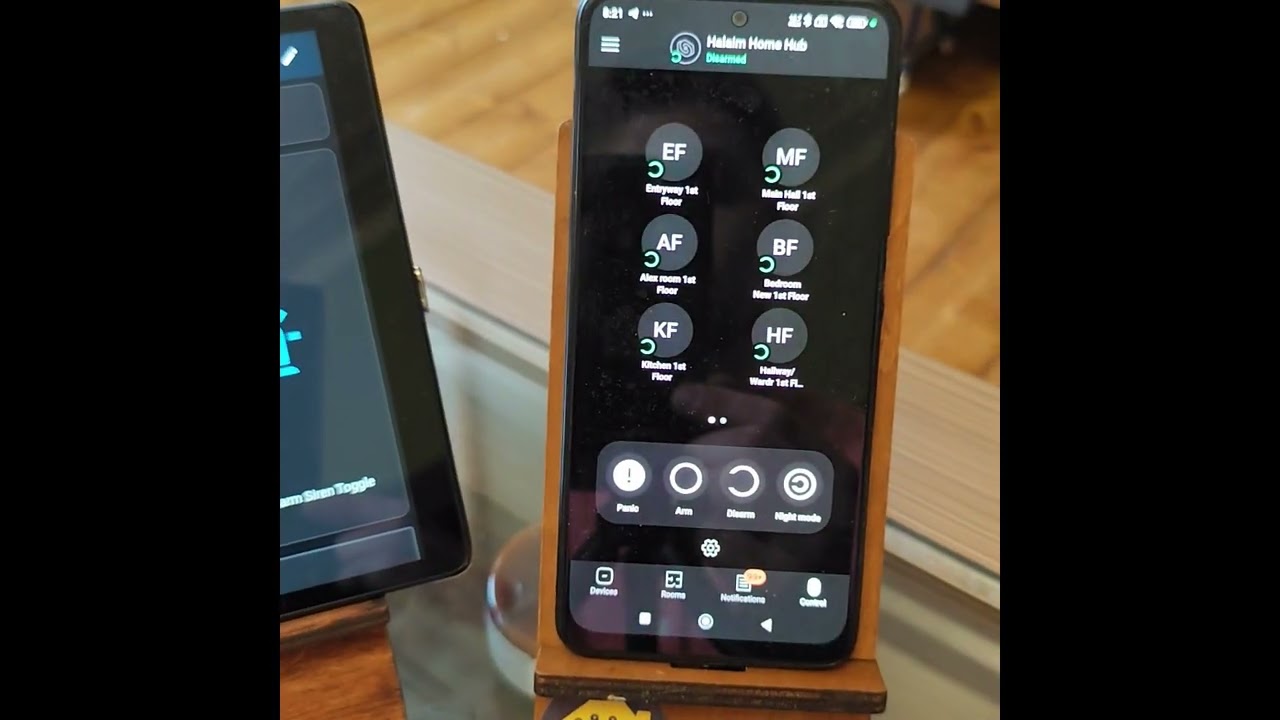
Video: AJAX Security - Home Assistant Integration Demonstration - Smart Homes / Alexei H. — a practical walkthrough of the technology discussed in this guide.
Frequently Asked Questions
1. Can I drill a small hole in the dome to let moisture escape?
Answer: Drilling a hole creates a pathway for fresh moisture to enter and for insects to crawl inside. This is not a solution. It makes the problem permanent. Use a breathable vent membrane instead. For more detail, see False Alarm Reduction CCTV - UK legal requirements and GDPR compliance 2026. Also read our related guide: Why 2.8mm Camera Lenses Are Ruining Your AI Person Detection: The Focal Length Truth Manufacturers Will Not Tell You. Browse our security technology hub at Uni Blog Security Hub. Official UK guidance on this topic: BSI.
2. Does the camera generate enough heat to prevent condensation?
Answer: Cameras that run warm (above 40 degrees Celsius internal temperature) can keep the dome above the dew point. However, this only works while the camera is powered on. If the camera loses power overnight and cools down, condensation forms immediately upon power loss. For more detail, see Best CCTV cameras for Warehouses and Logistics in 2026 - UK buyer guide. Also read our related guide: The AI Confidence Threshold Hack: Why Setting Your Detection to 80% Instead of 60% Changes Everything.
3. Should I choose a bullet camera instead of a dome to avoid condensation?
Answer: Bullet cameras have smaller lens surfaces and better ventilation than domes. They are significantly less susceptible to internal condensation. For UK outdoor installations where condensation is a known problem, bullet cameras are the preferred form factor. For more detail, see Does Dental and Medical Practices CCTV reduce insurance premiums in 2026? UK guide. Also read our related guide: Why ONVIF Profile G, Q, and T Matter: The Camera Compatibility Spec That Determines If Your NVR Actually Works.
4. How do I know if the condensation is on the outside or inside of the dome?
Answer: If wiping the exterior surface clears the image, the condensation is on the outside. If the image remains hazy after exterior cleaning, the condensation is on the inside. Exterior condensation clears naturally as the day warms. Interior condensation requires disassembly. For more detail, see Can a main contractor use facial recognition CCTV on an active construction site? UK Construction Sites CCTV rules explained 2026. Also read our related guide: The Varifocal Lens Secret: Why Adjustable-Focal-Length Cameras Are Worth 3x the Price for UK Installations.
5. Can I use a hairdryer to remove internal condensation from a dome camera?
Answer: A hairdryer on low heat can temporarily remove internal condensation by raising the internal temperature above the dew point. This is a temporary fix — the condensation returns when the camera cools down. It is useful for regaining footage immediately but does not address the root cause. Also read our related guide: Why Your Camera's 'True WDR' Does Not Work: The Difference Between Digital and Real Wide Dynamic Range.
Conclusion
The difference between a security system that works and one that frustrates is understanding the real-world behaviour of cameras, cables, and the environment they operate in. Manufacturers sell specifications. Installers solve problems. The questions above represent the issues that UK homeowners and businesses actually face — the ones the spec sheets do not mention.
Article by Gary Pearce, qualified security systems engineer. For a free security assessment, visit gary-pearce-home-services.pages.dev. This guide was last updated June 2026. Verify current UK regulations with the ICO.