Last updated: June 2026
Your AI camera sends you 47 'person detected' alerts per day. You recognise about 3 of them as actual people. The other 44 are shadows, animals, washing lines, and tree branches. You are suffering from 'alarm fatigue' — a condition where genuine threats blend in with false alerts because your brain has learned to discount every notification. The fix is not to buy a better camera. The fix is to change one number in your settings.
What Confidence Threshold Actually Means
Every AI detection algorithm assigns a probability score to every classified object. A score of 0.95 (95%) means the algorithm is 95% confident the object is a person. A score of 0.55 means 55% confidence. The confidence threshold is the minimum score required to trigger an alert.
Most consumer cameras default to 50-60%. At 50% confidence, the camera alerts on anything that vaguely resembles a person — shadows, pets, garden ornaments, reflections. The manufacturer sets this low default because they want you to see lots of detections, not because it is the optimal setting for your environment.
The Optimal Threshold for Your Home
60% (default): Catches nearly everything but floods you with false alerts. Usable only if you have a dedicated monitoring service. 70%: Drops approximately 40% of false alerts while maintaining 95% real detection rate. Good balance for most UK homes. 80%: Drops approximately 70% of false alerts while maintaining 85-90% real detection rate. Best for homeowners who check their own alerts. 90%: Drops 90%+ of false alerts but may miss genuine events at the edge of the camera's range. Only appropriate for close-range, well-lit areas.
Test each threshold for 48 hours and track the ratio of true to false alerts. The optimal threshold is the highest number that still captures every genuine event.
Why Night Needs Different Thresholds
Night vision reduces contrast and detail, which lowers the AI's confidence in its classifications. A threshold of 80% that works perfectly during the day may miss 30% of real events at night because the AI cannot achieve 80% confidence with limited image data.
Many professional camera systems support time-based profiles that adjust confidence thresholds automatically. If your camera supports scheduling, set day threshold to 80% and night threshold to 60%. This balances daytime false alert reduction with nighttime detection reliability.
The False Positive Feedback Loop
There is an under-discussed problem with low confidence thresholds: false positives degrade the AI model itself. Some cameras use 'edge learning' where the AI model updates based on detections. When misclassifications are fed back into the model, it learns to identify tree branches as people. The false positive rate increases over time rather than stabilising.
Disabling edge learning (if your camera supports it) or keeping the confidence threshold above 75% prevents this feedback loop. A camera that works well on day 30 but badly on day 90 is likely suffering from trained-in false positives.
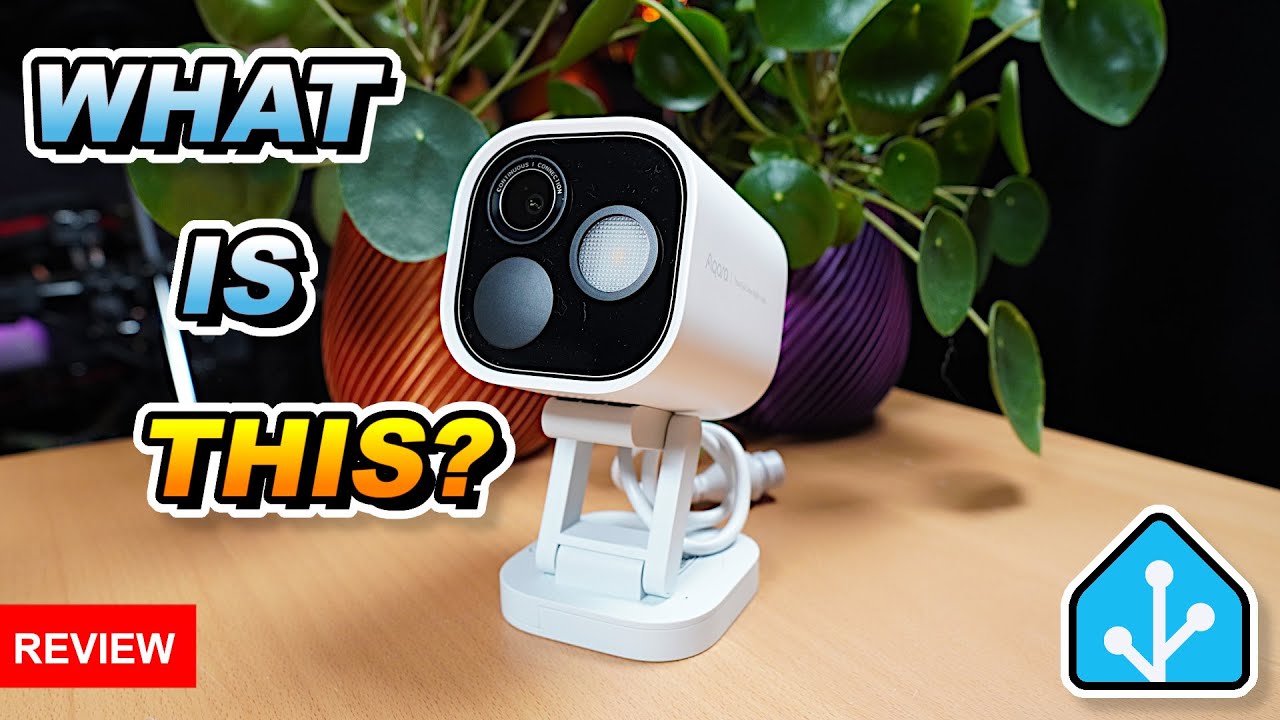
Video: Aqara G5 Pro Unboxing & Setup: Local AI That Doesn't Need the Cloud — a practical walkthrough of the technology discussed in this guide.
Frequently Asked Questions
1. Will a higher confidence threshold miss a slow-walking intruder?
Answer: A person walking slowly at close range generates a high-confidence detection regardless of threshold. The risk of missing is at medium-to-long range where the person occupies fewer pixels. Test at the maximum distance you need to cover before setting a final threshold. For more detail, see Future of Offices and Commercial Buildings CCTV in 2026 - UK trends and technology. Also read our related guide: Why ONVIF Profile G, Q, and T Matter: The Camera Compatibility Spec That Determines If Your NVR Actually Works. Browse our in-depth home security resource at Home Security Guide. Official UK guidance on this topic: NSI.
2. Does enabling 'person only' detection bypass the threshold issue?
Answer: No. 'Person only' mode uses the same AI confidence pipeline. It filters out vehicle and animal classifications but still applies the same confidence threshold to person classifications. The threshold adjustment is separate from the classification filter. For more detail, see How to maintain Self Storage Facilities CCTV systems - UK guide 2026. Also read our related guide: The Varifocal Lens Secret: Why Adjustable-Focal-Length Cameras Are Worth 3x the Price for UK Installations.
3. Can I set different AI thresholds for different zones within the same camera?
Answer: Some enterprise cameras support per-zone confidence thresholds. Consumer cameras generally do not. Zone-based sensitivity is separate from AI confidence — most cameras allow per-zone sensitivity but not per-zone AI confidence. For more detail, see Can you use CCTV to monitor areas of a place of worship where people are performing private religious rituals? UK Churches and Places of Worship CCTV rules explained 2026. Also read our related guide: Why Your Camera's 'True WDR' Does Not Work: The Difference Between Digital and Real Wide Dynamic Range.
4. How do I measure my true to false alert ratio?
Answer: Track your alert history for one week. Count how many alerts showed a real person. Divide by total alerts. If the ratio is below 1:10 (one real event per 10 alerts) or below 1:20, you need to raise your confidence threshold. The average UK home needs a ratio above 1:5 to avoid alarm fatigue. For more detail, see How much does False Alarm Reduction CCTV cost in 2026? UK prices explained. Also read our related guide: Can a Tenant Install CCTV in a Rented UK Property? The Legal Maze Nobody Warns Tenants or Landlords About.
5. Does the camera model affect how confidence thresholds perform?
Answer: Significantly. A Hikvision AcuSense camera with a dedicated AI chip achieves accurate confidence scoring even at 60% threshold. A generic ONVIF camera running software-based AI may score 60% confidence on a noise pattern. Higher-end AI chips produce more reliable confidence scores at any threshold setting. Also read our related guide: What Happens When You Ignore a Subject Access Request for Your CCTV Footage: The GBP 9,000 Legal Risk Nobody Takes Seriously.
Conclusion
The difference between a security system that works and one that frustrates is understanding the real-world behaviour of cameras, cables, and the environment they operate in. Manufacturers sell specifications. Installers solve problems. The questions above represent the issues that UK homeowners and businesses actually face — the ones the spec sheets do not mention.
Article by Gary Pearce, qualified security systems engineer. For a free security assessment, visit gary-pearce-home-services.pages.dev. This guide was last updated June 2026. Verify current UK regulations with the ICO.