Last updated: June 2026
Retail CCTV in the UK operates under a specific set of legal requirements that differ significantly from domestic installations. The ICO’s Employment Practices Code, the Data Protection Act 2018, and the Surveillance Camera Commissioner’s guidance all impose obligations on retailers that are frequently overlooked. A shop floor CCTV system that monitors staff, customers, or stock without compliance with these requirements exposes the retailer to ICO enforcement, employment tribunal claims, and reputational damage.
Notification and Signage Requirements
The ICO requires that anyone entering an area covered by CCTV is clearly informed that recording is taking place. This means signs at all public entrances stating: the purpose of the CCTV, the identity of the data controller (the retailer), and contact information for the data protection officer. The signs must be large enough to read (minimum A4 recommended), placed at eye level, and lit for visibility during all opening hours. The text must be in clear English. Additional signage is required in areas where customers might have a heightened expectation of privacy, such as fitting rooms (which must never have CCTV) and customer toilets.
Areas Where CCTV Is Prohibited in Retail
CCTV must never be placed in fitting rooms, customer toilets, or staff changing areas. This is not guidance; it is a prohibition under the ICO’s Employment Practices Code and the Surveillance Camera Code of Practice. Cameras must not be positioned where they could accidentally capture these areas through an open door or corridor junction. The previous recorded history of high-profile UK retailers being fined for hidden cameras in fitting rooms has made the ICO particularly vigilant about this issue. Any breach is likely to result in a fine starting at £5,000 and rising to £50,000 for repeat offences.
Staff Monitoring and Covert Surveillance Rules
Covert monitoring of staff is prohibited under the Regulation of Investigatory Powers Act 2000 and the ICO’s Employment Practices Code unless the retailer has a specific, documented suspicion of criminal activity (e.g., suspected theft by an employee) and has exhausted all other investigative options. Covert monitoring must be time-limited (typically 2–4 weeks) and authorised in writing by a senior manager. Overt staff monitoring requires: prior written notification to all employees, a documented legitimate interest assessment explaining why monitoring is necessary and proportionate, and a clear retention and access policy for staff footage.
Retention and Subject Access for Retail CCTV
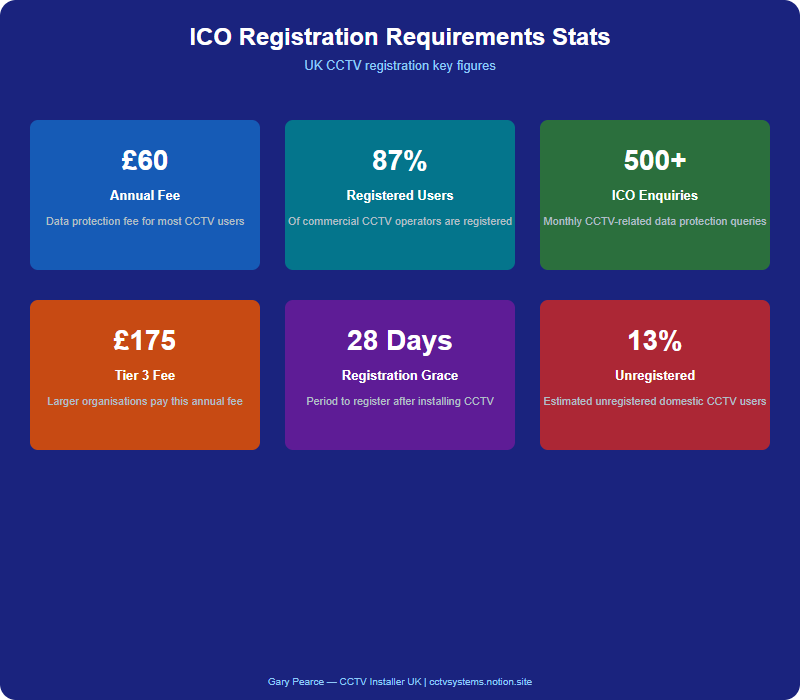
Retail CCTV footage must be retained for no longer than necessary. The ICO considers 31 days a reasonable retention period for general retail CCTV, though 90 days is common when the footage is used for shoplifting prosecutions, where the police investigation and court process may take months to initiate. Customers shown in CCTV footage have the right to make a Subject Access Request. The retailer must respond within one month and provide all footage showing the requester, with other individuals redacted. The administrative cost of responding to SARs for a busy retail CCTV system is significant and should be factored into the system’s operational budget.
Video: 6 Best Security Cameras For Business 2025
Frequently Asked Questions
1. Do I need CCTV signs in my shop?
Answer: Yes. A4-sized signs at all public entrances stating the purpose of the CCTV, the data controller identity, and contact information. Additional signs are needed near areas with heightened privacy expectations. For more detail, see Best CCTV cameras for Churches and Places of Worship in 2026 - UK buyer guide. Also read our related guide: Pub Garden Rules: CCTV and Alcohol Licensing Areas. Browse our comprehensive CCTV knowledge base at CCTV Systems Guide. Official UK guidance on this topic: SSAIB.
2. Can I put CCTV in staff break rooms?
Answer: No. Staff areas where there is an expectation of privacy, including break rooms, changing rooms, and toilets, must not have CCTV. This is a prohibition under the ICO’s Employment Practices Code. For more detail, see How to install CCTV for Self Storage Facilities - UK step by step guide 2026. Also read our related guide: School Safeguarding and CCTV: DPA Compliance.
3. Can I monitor staff covertly for suspected theft?
Answer: Only under specific conditions: documented suspicion of criminal activity, authorisation from senior management, time-limited (2–4 weeks), and after exhausting all other investigative options. Covert monitoring must be proportionate and documented. For more detail, see Best CCTV cameras for Retail Shops and Stores in 2026 - UK buyer guide. Also read our related guide: Gym Privacy: CCTV Rules for Changing Rooms and Exercise Areas.
4. How long can I keep shop CCTV footage?
Answer: 31 days for general retail purposes. 90 days if the footage is part of an active investigation or prosecution. Longer retention requires documented justification in a data protection impact assessment. For more detail, see How much does Hotels and Hospitality CCTV cost in 2026? UK prices explained. Also read our related guide: Office Covert Monitoring: What Is Illegal in UK Workplaces.
5. Do customers have the right to see shop CCTV footage?
Answer: Yes, through a Subject Access Request under UK GDPR. The retailer must respond within one month and provide all footage showing the requester, with other individuals redacted. Also read our related guide: Car Park CCTV: ANPR Requirements for UK Operators.
Conclusion
The difference between a security system that works and one that frustrates is understanding the real-world behaviour of cameras, cables, and the environment they operate in. Manufacturers sell specifications. Installers solve problems. The questions above represent the issues that UK homeowners and businesses actually face — the ones the spec sheets do not mention.
Article by Gary Pearce, qualified security systems engineer. For a free security assessment, visit gary-pearce-home-services.pages.dev. This guide was last updated June 2026. Verify current UK regulations with the ICO.