Last updated: June 2026
CCTV systems in the UK experience dramatically different operating conditions across the four seasons, each requiring specific maintenance actions. A camera that is fine in summer may fail in winter, and autumn debris that goes uncleared becomes a spring moisture problem. A structured seasonal maintenance checklist prevents the most common seasonal failure patterns and extends the life of every component in the system.
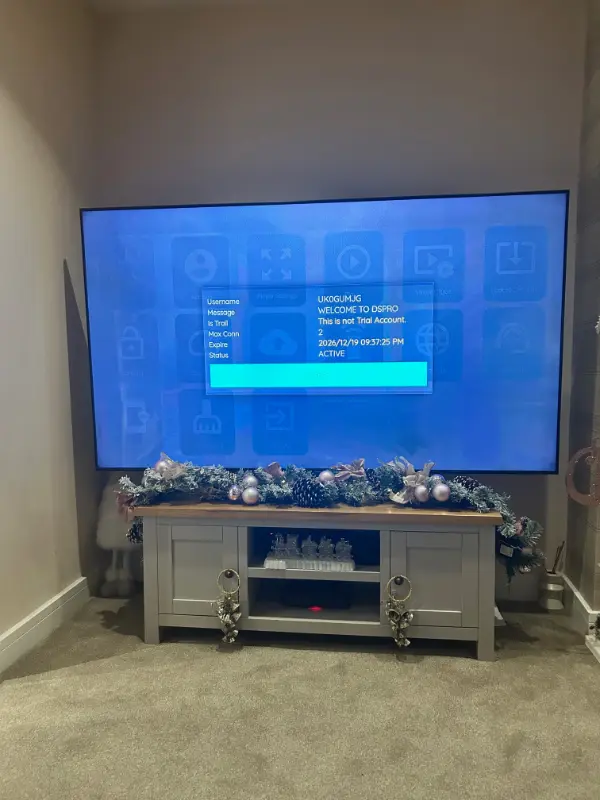
Spring Maintenance (March–May)
Spring is the most critical maintenance period because winter weather has stressed seals, gaskets, and connectors. Inspection items: check all housing seals for compression set (gaskets that have permanently flattened and no longer seal), inspect cable entry glands for loosening from temperature cycling, clean any moss or algae growth that started during the damp winter months, check IR LED output (LEDs may have degraded during winter use), and verify the NVR fan and ventilation are clean for the warmer months ahead. Spring is also the best time to update firmware and review recording retention settings, as the system is least likely to be disturbed during the milder weather.
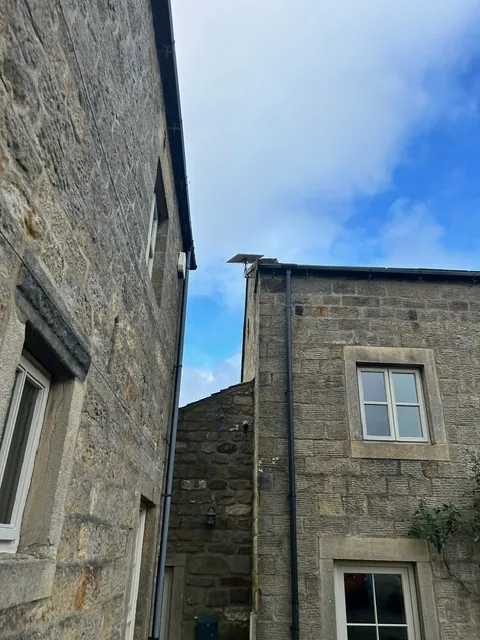
Summer Maintenance (June–August)
Summer heat is the primary threat to CCTV equipment. Inspection items: measure NVR internal temperature (should be below 45 degrees C; if higher, improve ventilation or move the NVR), check camera housing temperatures (surface temperature above 65 degrees C indicates excessive sun exposure; consider adding a sun shield), clean ventilation slots on all equipment (dust accumulation restricts airflow), verify UPS battery condition (heat accelerates battery degradation), and check that foliage growth has not encroached into camera fields of view (branches and leaves grow quickly in summer and can block cameras within weeks).
Autumn Maintenance (September–November)
Autumn prepares the system for the challenging winter months and manages the leaf fall problem. Inspection items: clear accumulated leaves from all camera housings and brackets (weekly during peak fall), apply hydrophobic coating to camera domes (reduces water spotting and condensation in winter), check heater function on cameras with built-in heaters (activate through the NVR interface and verify operation), test IR night vision range (compare against installation baseline; reduced range indicates LED degradation or dome clouding), and review and update firmware before winter when maintenance access is more difficult.
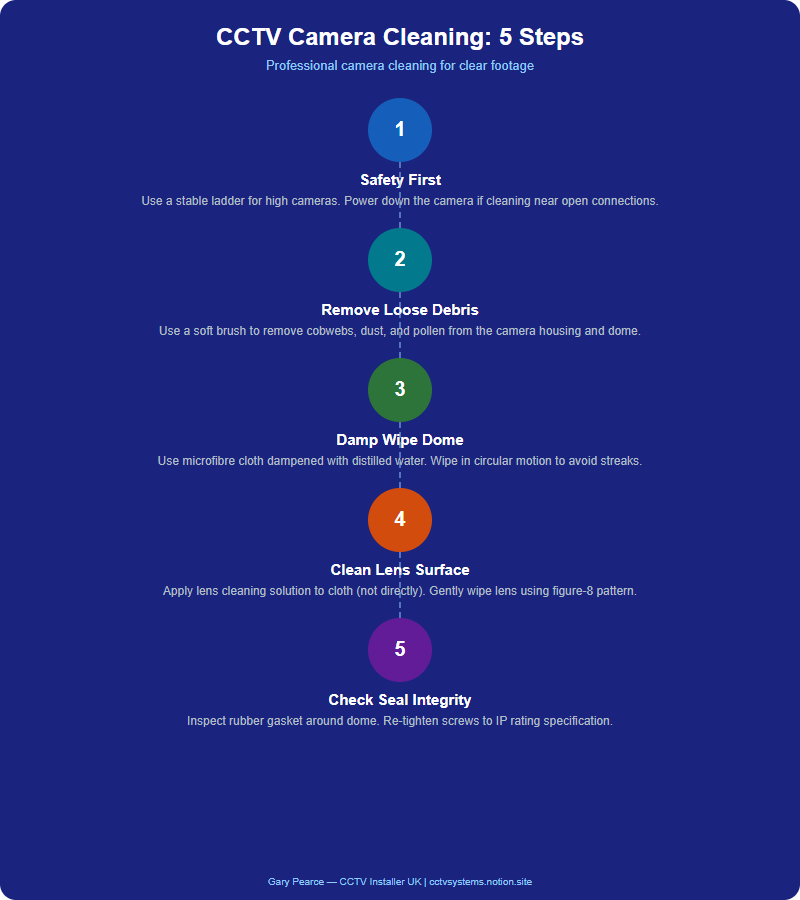
Winter Maintenance (December–February)
Winter maintenance focuses on monitoring and reacting to weather-related issues. Inspection items: check for ice accumulation on camera housings (ice can block the lens or tilt the housing), verify heater operation during freezing conditions, monitor for condensation inside domes (the rapid temperature changes of winter weather cause the most condensation), check that snow has not redirected a camera’s field of view (a snow-laden branch or drifted snow can push a camera out of alignment), and verify that the NVR hard drive temperature is above 10 degrees C (drives below 5 degrees C may have delayed startup and increased failure rate).
Monthly Repeating Tasks
Regardless of season, perform these monthly tasks: log into each camera and verify it is recording and accessible; check the NVR’s storage status (free space, drive health S.M.A.R.T. data); review recent recorded footage to confirm image quality is acceptable; verify that time-synchronisation (NTP) is working correctly (timestamps on recorded footage should match the current time); and clean any camera domes or windows that show visible dirt or residue.
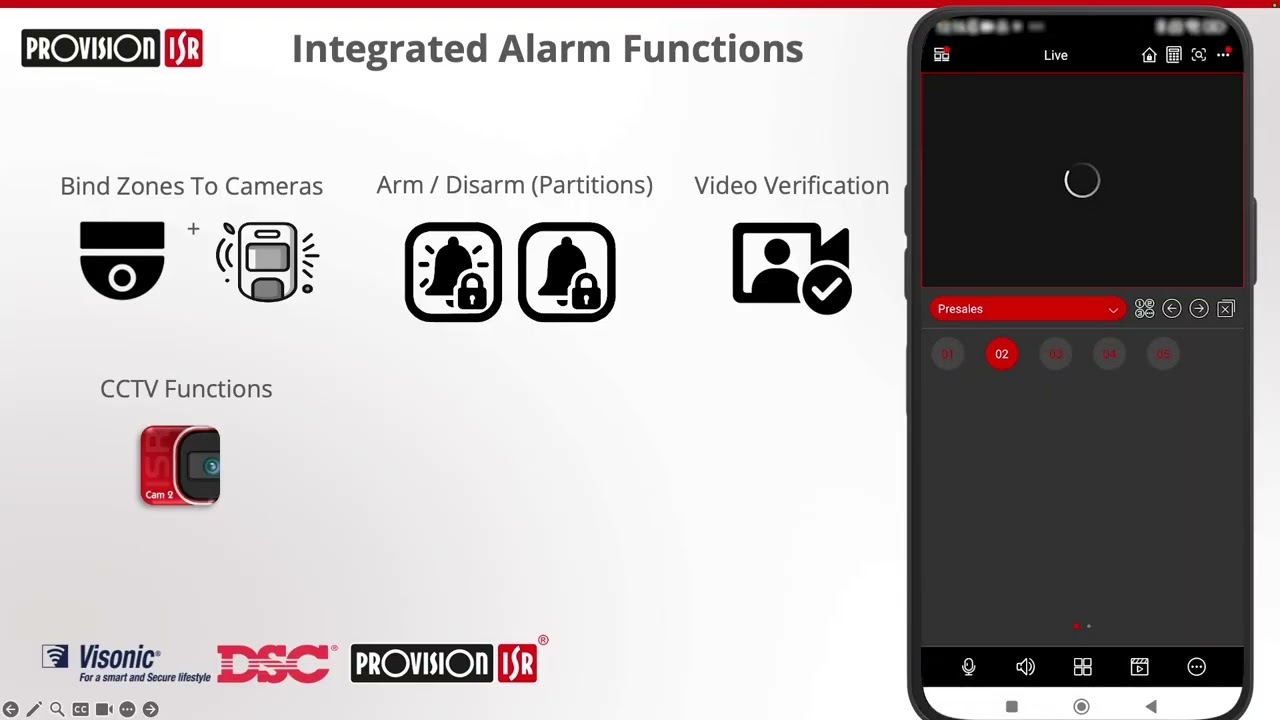
Video: DSC & Visonic Alarm Integration with Provision-ISR Cam 2 - Full Walkthrough 2026

Frequently Asked Questions
1. How often should I maintain my CCTV system?
Answer: Seasonal deep inspection (4 times per year) plus monthly quick checks. Spring and autumn inspections are the most critical for addressing winter damage and preparing for challenging weather. For more detail, see Self Storage Facilities CCTV - UK legal requirements and GDPR compliance 2026. Also read our related guide: Battery Camera Replacement Schedule for UK Users. Browse our security technology hub at Uni Blog Security Hub. Official UK guidance on this topic: Surrey Security Centre.
2. What is the most critical seasonal maintenance for CCTV?
Answer: Spring maintenance: winter weather damages seals and gaskets that must be inspected and replaced before damp conditions cause corrosion. Autumn maintenance: leaf clearance and winter preparation. For more detail, see Pubs, Bars and Restaurants CCTV - UK legal requirements and GDPR compliance 2026. Also read our related guide: Camera Sunsetting: When Support Ends for IP Cameras.
3. Can summer heat damage my CCTV cameras?
Answer: Yes. NVR internal temperature should stay below 45 degrees C. Camera housing surface above 65 degrees C indicates excessive sun exposure. Summer is the leading cause of hard drive failure in poorly ventilated NVRs. For more detail, see Future of Self Storage Facilities CCTV in 2026 - UK trends and technology. Also read our related guide: System Audit Checklist: Annual CCTV Review.
4. Does winter cold affect camera recording?
Answer: Cameras with heaters maintain operation in freezing conditions. NVR hard drives below 10 degrees C may have delayed startup. Condensation inside domes is the most common winter failure mode. For more detail, see Can CCTV monitor student behaviour in school hallways and playgrounds? UK Schools and Education Settings CCTV rules explained 2026. Also read our related guide: Cloud CCTV Bandwidth Cost: Hidden Broadband Caps.
5. How do I check if my camera’s IR LEDs are still working?
Answer: View the camera feed at night in complete darkness. Compare the image brightness and range against the installation baseline. Significantly reduced range or uneven illumination indicates LED degradation. Also read our related guide: H.265 vs H.264 Compression Math for CCTV Storage.
Conclusion
The difference between a security system that works and one that frustrates is understanding the real-world behaviour of cameras, cables, and the environment they operate in. Manufacturers sell specifications. Installers solve problems. The questions above represent the issues that UK homeowners and businesses actually face — the ones the spec sheets do not mention.
Article by Gary Pearce, qualified security systems engineer. For a free security assessment, visit gary-pearce-home-services.pages.dev. This guide was last updated June 2026. Verify current UK regulations with the ICO.