Last updated: June 2026
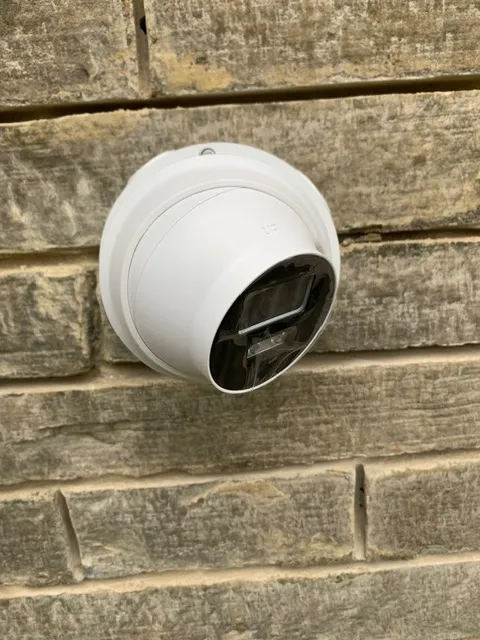
CCTV cameras installed within 5 km of the UK coastline experience accelerated corrosion from airborne salt spray. Salt particles carried by wind settle on camera housings, connectors, and cables, where they absorb atmospheric moisture and form electrolytic solutions that drive galvanic corrosion. A camera that would last 5 years in a suburban installation may fail within 18 months in a coastal location without specific corrosion protection measures.
How Salt Accelerates Corrosion
Sodium chloride in airborne sea spray is hygroscopic: it absorbs moisture from the air even when the relative humidity is below 100%. This creates a thin, persistent electrolyte film on metal surfaces that drives electrochemical corrosion. The corrosion rate is proportional to the salt deposition rate, which varies with distance from the coast, prevailing wind direction, and exposure. At 1 km from the coast, salt deposition is approximately 1,000 mg per square metre per day. At 5 km, it drops to 100 mg. At 15 km, it is negligible for most installations. However, UK onshore winds can carry salt spray significantly further than the average figures suggest.
Materials Selection for Coastal Cameras
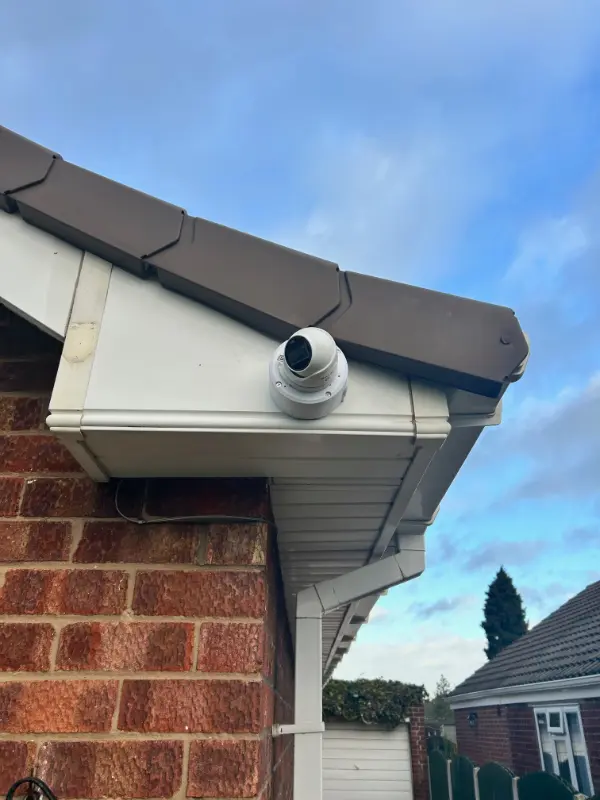
Standard aluminium camera housings develop white powdery corrosion (aluminium oxide) within 6–12 months in coastal environments. The recommended housing material for coastal installations is marine-grade 316 stainless steel or powder-coated aluminium with an additional clear coat sealant. Fasteners should be 316 stainless steel or, for lower-cost options, silicon bronze. Cable connectors should be IP68-rated with silicone seals and must not be exposed to direct salt spray. If possible, place connectors inside a sealed junction box with a desiccant pack to maintain a dry internal environment. Standard RJ45 connectors fail within 3–6 months in salt spray.
Cleaning and Maintenance for Coastal Systems
Coastal CCTV systems require a maintenance schedule that includes weekly freshwater rinsing of the camera housings to remove salt deposits before they dry and crystallise. Monthly inspection of all seals and connectors for signs of white or green corrosion deposits. Quarterly disassembly and inspection of connectors, with replacement of any showing corrosion. Annually, all fasteners should be removed, inspected for thread corrosion, and treated with anti-seize compound before reinstallation. The maintenance cost for a coastal system is approximately double that of an inland system over the same period.
Sacrificial Anode Protection for Camera Brackets
For cameras mounted on metal poles or brackets near the coast, a sacrificial zinc anode bonded to the bracket provides cathodic protection. The zinc corrodes preferentially, protecting the steel or aluminium bracket. The anode must be replaced annually or when 50% of its mass has corroded. The anode should be electrically bonded to the bracket with a stainless steel bolt and wire, and the connection point must be sealed against moisture. For pole-mounted cameras in coastal car parks or promenades, sacrificial anodes can extend bracket life from 2 years to 8–10 years.

Video: Tools for CCTV Security camera installation
Frequently Asked Questions
1. How close to the coast does salt spray affect CCTV cameras?
Answer: Significant corrosion acceleration occurs within 5 km of the UK coastline. Within 1 km, cameras need specific marine-grade materials and weekly cleaning. Beyond 15 km, coastal corrosion effects are negligible. For more detail, see Car Parks CCTV - UK legal requirements and GDPR compliance 2026. Also read our related guide: Pigeon Deterrents for Security Camera Housings. Browse our comprehensive CCTV knowledge base at CCTV Systems Guide. Official UK guidance on this topic: SSAIB.
2. What camera materials resist salt spray corrosion?
Answer: Marine-grade 316 stainless steel or powder-coated aluminium with clear coat sealant. Fasteners must be 316 stainless steel or silicon bronze. Standard aluminium housings fail within 6–12 months in coastal salt spray. For more detail, see Construction Sites CCTV - UK legal requirements and GDPR compliance 2026. Also read our related guide: Leaf Debris Blocking Camera View in Autumn.
3. How often should I clean coastal CCTV cameras?
Answer: Weekly freshwater rinsing to remove salt deposits before they crystallise. Monthly connector inspection. Quarterly seal and gasket inspection. Annual fastener inspection and anti-seize treatment. For more detail, see How to install CCTV for Retail Shops and Stores - UK step by step guide 2026. Also read our related guide: Moss Growth on Camera Housings in Damp UK Climates.
4. Can I use standard RJ45 connectors on a coastal installation?
Answer: No. Standard RJ45 connectors fail within 3–6 months in salt spray. Use IP68-rated connectors with silicone seals housed inside a sealed junction box with desiccant. For more detail, see Best CCTV cameras for Pubs, Bars and Restaurants in 2026 - UK buyer guide. Also read our related guide: Severe Wind Vibration Affecting CCTV Image Quality.
5. Do coastal cameras need different IP ratings?
Answer: IP67 or IP68 is recommended, but the IP rating alone does not guarantee salt spray resistance. Look for housings specifically tested to ASTM B117 salt spray standards, with corrosion-resistant materials. Also read our related guide: Edge AI vs Server AI for CCTV Processing.
Conclusion
The difference between a security system that works and one that frustrates is understanding the real-world behaviour of cameras, cables, and the environment they operate in. Manufacturers sell specifications. Installers solve problems. The questions above represent the issues that UK homeowners and businesses actually face — the ones the spec sheets do not mention.
Article by Gary Pearce, qualified security systems engineer. For a free security assessment, visit gary-pearce-home-services.pages.dev. This guide was last updated June 2026. Verify current UK regulations with the ICO.