Last updated: June 2026
Before a neighbour can issue court proceedings over a CCTV or doorbell camera dispute, they must follow the Pre-Action Protocol for claims under the Protection from Harassment Act 1997. This formal process, governed by the Civil Procedure Rules, requires specific steps before litigation. Understanding the protocol allows both parties to resolve the dispute without court involvement, and a failure to follow the protocol can result in cost sanctions against the party who acts unreasonably.
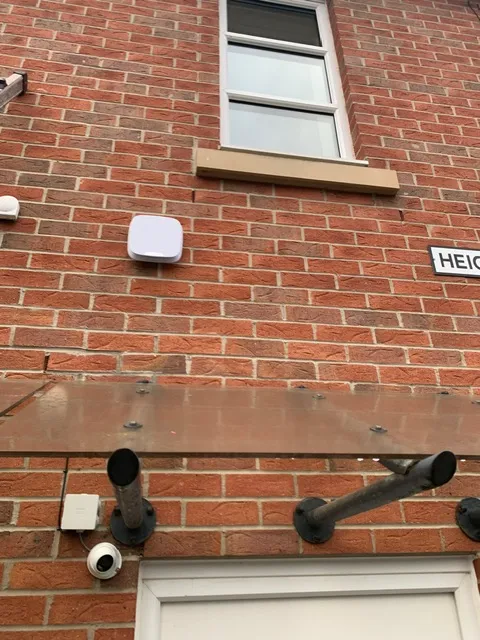
What the Pre-Action Protocol Requires
The claimant (the neighbour) must send a formal Letter of Claim to the CCTV operator, before issuing any court proceedings. The letter must include: the claimant’s full name and address, a clear description of the alleged harassment (including dates, times, and the specific cameras involved), copies of any relevant evidence (photographs of camera positions, examples of captured footage if available), the claimant’s proposals for resolving the dispute (e.g., repositioning, privacy masking, removal), and a deadline for response of at least 14 days.
How to Respond to a Letter of Claim
Acknowledge receipt and respond within the 14-day period specified in the letter. Your response should: state whether you accept or deny the allegations, provide your own evidence of the camera’s field of view (photographs from the camera’s perspective), confirm what steps you have already taken to minimise intrusion (privacy masking, field-of-view adjustment), and offer specific proposals for resolution. If you have installed privacy masking or adjusted the camera angle, provide evidence of this. Proposing mediation or a without-prejudice meeting demonstrates a willingness to resolve the dispute reasonably.
Alternative Dispute Resolution Options
The Pre-Action Protocol encourages parties to consider Alternative Dispute Resolution (ADR) before litigation. Three ADR options are relevant: mediation (a neutral mediator facilitates a negotiated resolution, typically costing £150––500 per person); the ICO’s complaint process (free, but limited to data protection issues, not harassment); and the police community resolution (for low-level harassment concerns, facilitated by a neighbourhood policing team). Courts expect parties to attempt ADR before proceedings, and a refusal to consider ADR can result in cost penalties even if the refusing party wins the case.
Consequences of Ignoring the Protocol
If the CCTV operator ignores the Letter of Claim or refuses to engage in the protocol, the neighbour can apply to the court for an injunction without further notice. The court may also impose cost sanctions: the ignoring party may be ordered to pay the neighbour’s legal costs even if the neighbour ultimately loses, because the unreasonable conduct caused unnecessary litigation. The costs of a one-day hearing in the County Court are typically £5,000–£15,000 per party. Engaging with the protocol and proposing reasonable adjustments is always cheaper than ignoring the letter and defending a claim.
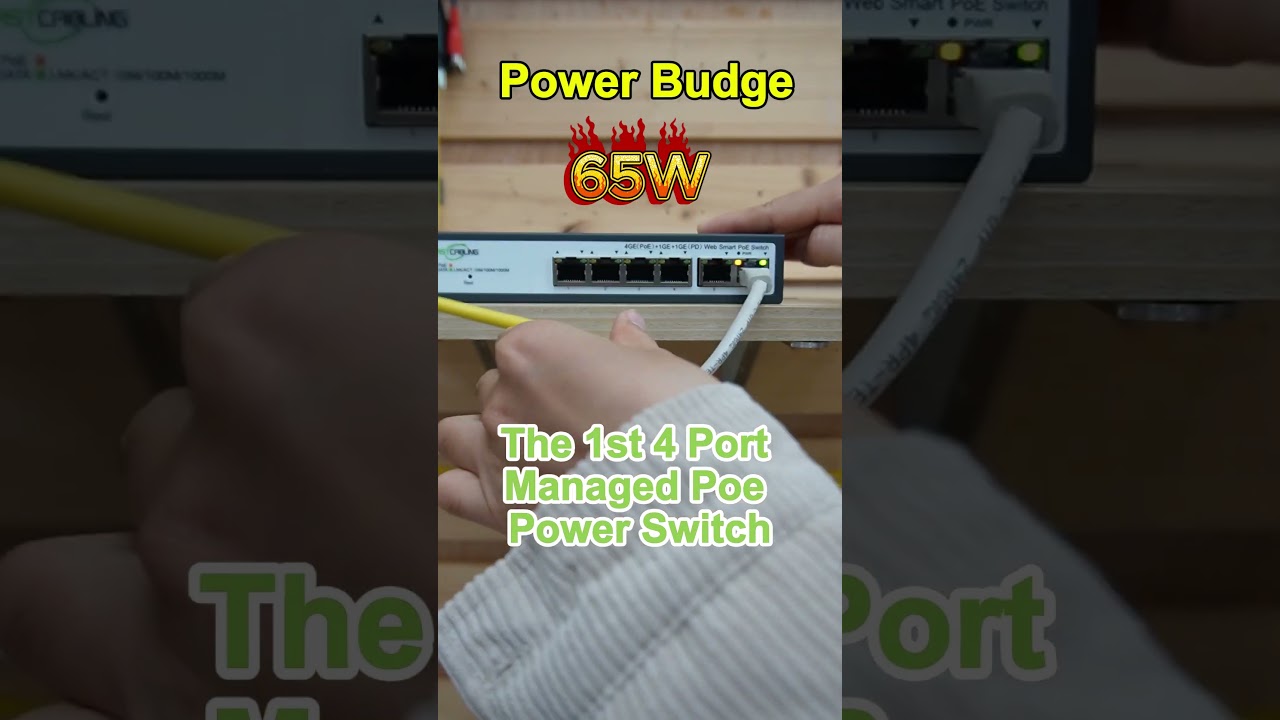
Video: Powering a 24/7 Smart Warehouse with PoE++ (Ultimate Network Setup!)
Frequently Asked Questions
1. What is a Pre-Action Protocol letter for CCTV disputes?
Answer: A formal letter required before court proceedings for harassment claims related to CCTV or doorbell cameras. It describes the alleged harassment and proposes resolutions. The receiver has 14 days to respond. For more detail, see How much does Gyms and Fitness Centres CCTV cost in 2026? UK prices explained. Also read our related guide: Nuisance Claims Under Common Law for Neighbour CCTV. Browse our security technology hub at Uni Blog Security Hub. Official UK guidance on this topic: Surrey Security Centre.
2. Do I have to respond to a Pre-Action Protocol letter about my CCTV?
Answer: Yes. Ignoring the letter can result in cost sanctions even if you are ultimately found to have done nothing wrong. Respond within 14 days with evidence and proposals for resolution. For more detail, see Does Retail Shops and Stores CCTV reduce insurance premiums in 2026? UK guide. Also read our related guide: Insurance Conditions Requiring CCTV: When It Backfires.
3. Can mediation resolve a neighbour CCTV dispute?
Answer: Mediation resolves approximately 70% of neighbour disputes. The cost is £150–£500 per person, significantly less than court proceedings. Courts expect parties to attempt mediation before litigation. For more detail, see Warehouses and Logistics CCTV - cost-guide (2026). Also read our related guide: ICO Complaints Procedure for Domestic CCTV.
4. What happens if I ignore a neighbour’s CCTV complaint letter?
Answer: The neighbour can apply to court for an injunction without further warning. You may be ordered to pay their legal costs even if you win, due to your failure to engage with the Pre-Action Protocol. For more detail, see How much does Care Homes and Assisted Living CCTV cost in 2026? UK prices explained. Also read our related guide: Salt Spray Coastal Installations: CCTV Corrosion.
5. Does the ICO deal with neighbour CCTV disputes?
Answer: The ICO handles data protection complaints about domestic CCTV that captures beyond property boundaries. They do not handle harassment claims, which are civil matters under the Protection from Harassment Act. Also read our related guide: Pigeon Deterrents for Security Camera Housings.
Conclusion
The difference between a security system that works and one that frustrates is understanding the real-world behaviour of cameras, cables, and the environment they operate in. Manufacturers sell specifications. Installers solve problems. The questions above represent the issues that UK homeowners and businesses actually face — the ones the spec sheets do not mention.
Article by Gary Pearce, qualified security systems engineer. For a free security assessment, visit gary-pearce-home-services.pages.dev. This guide was last updated June 2026. Verify current UK regulations with the ICO.