Last updated: June 2026
Pigeons and other perching birds cause disproportionate damage to CCTV installations in UK urban areas. The birds perch on camera housings and brackets, leaving droppings that obscure the lens, corrode the housing finish, and create a health hazard during maintenance. Their weight can also misalign PTZ cameras by rotating the housing on its mount. Bird deterrent is not optional for cameras in areas with pigeon populations, particularly city centres and coastal towns.
Why Birds Target Camera Housings
Camera housings provide an elevated, sheltered perch with a good view of surrounding terrain. Pigeons prefer flat surfaces at least 50 mm wide for perching, which describes the top surface of most bullet and dome camera housings. The housing often has a slight residual warmth from the camera’s internal electronics, which is attractive in cold weather. Once a camera becomes a regular perching spot, the accumulated droppings attract more birds, creating a self-reinforcing problem. The droppings are acidic and etch plastic domes and powder-coated aluminium surfaces within weeks.
Physical Deterrents That Work
The most effective deterrent is a physical barrier that prevents birds from landing on the housing. Pigeon spikes (stainless steel or polycarbonate strips with 100 mm spikes) attached to the top of the housing prevent perching without harming the birds. The spikes should be 100 mm wide minimum to cover the full perching surface. A sloped housing cover (bird slide) fitted over the camera creates a surface too steep for birds to stand on. Anti-perching wire systems that run a taut wire 50 mm above the housing surface also prevent landing. All physical deterrents must be compatible with the camera’s cooling ventilation and must not obstruct the lens view.
Non-Physical Deterrents and Their Limitations
Ultrasonic bird repellent devices claim to deter birds with high-frequency sound but have limited effectiveness in practice. Birds habituate to ultrasonic noise within days. Visual deterrents such as reflective tape, fake owl decoys, and shiny streamers work for 2–4 weeks before birds realise they are not threats. Gel repellents that create a sticky surface are messy, attract dust, and need replacement every 3–6 months. The only consistently effective non-physical deterrent is a regularly activated water sprinkler, which is impractical for most CCTV installations.

Cleaning Bird Debris from Camera Housings
Bird droppings on a camera lens or dome must be removed carefully to avoid scratching the optical surface. Soak the area with distilled water for 2–3 minutes to soften the deposit. Use a soft microfiber cloth with a gentle wiping motion. Never scrape dried droppings off the lens surface. For plastic domes, avoid ammonia-based cleaners that cause crazing (micro-cracking) of the polycarbonate. Use a dedicated plastic lens cleaner or isopropyl alcohol diluted to 50% with distilled water. Establish a monthly cleaning schedule for cameras in high pigeon activity areas.
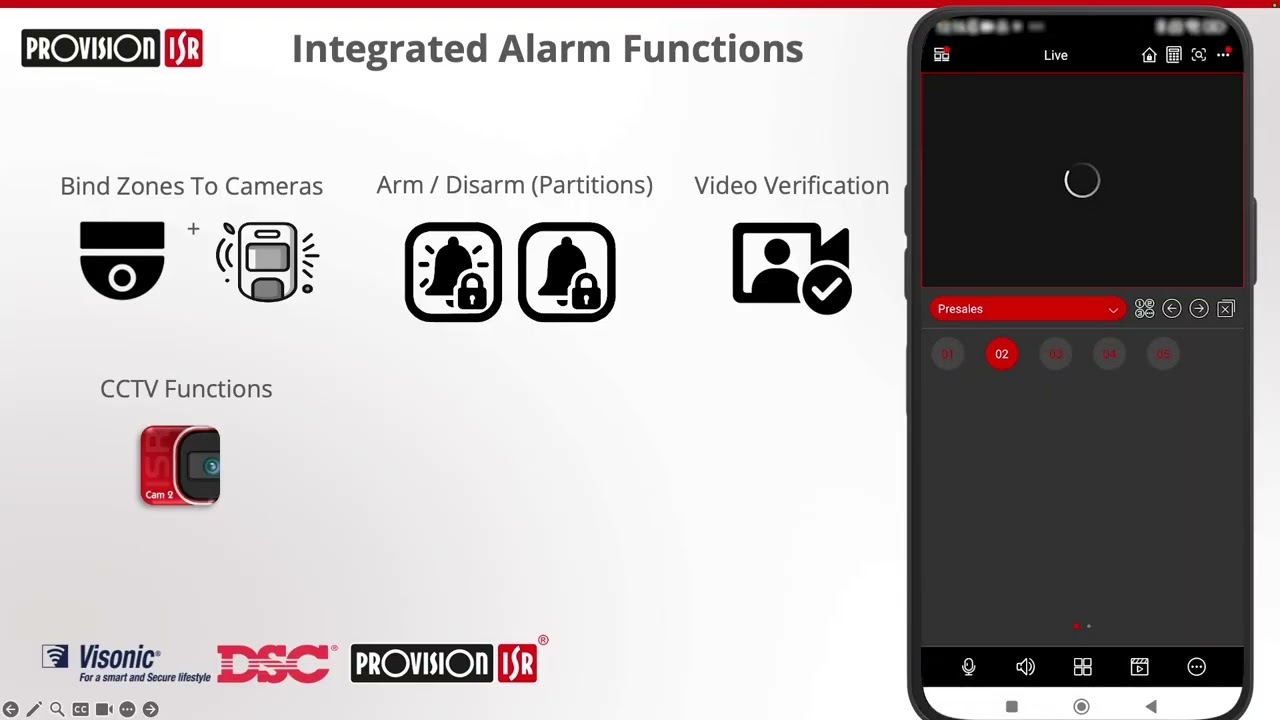
Video: DSC & Visonic Alarm Integration with Provision-ISR Cam 2 - Full Walkthrough 2026
Frequently Asked Questions
1. How do I stop pigeons perching on my CCTV cameras?
Answer: Install stainless steel pigeon spikes or a sloped bird slide cover on top of the camera housing. These physical barriers are the only reliably effective deterrents. For more detail, see Future of Churches and Places of Worship CCTV in 2026 - UK trends and technology. Also read our related guide: Leaf Debris Blocking Camera View in Autumn. Browse our in-depth home security resource at Home Security Guide. Official UK guidance on this topic: NSI.
2. Can pigeon droppings damage my CCTV camera?
Answer: Yes. Bird droppings are acidic and etch plastic domes and powder-coated surfaces. They also obscure the lens and attract more birds. Prompt cleaning prevents permanent damage. For more detail, see Best CCTV cameras for Farms and Agricultural Property in 2026 - UK buyer guide. Also read our related guide: Moss Growth on Camera Housings in Damp UK Climates.
3. Are ultrasonic bird deterrents effective for CCTV?
Answer: No. Birds habituate to ultrasonic noise within days. Physical barriers (spikes, sloped covers) are the only proven solution for CCTV camera pigeon problems. For more detail, see How to install CCTV for Self Storage Facilities - UK step by step guide 2026. Also read our related guide: Severe Wind Vibration Affecting CCTV Image Quality.
4. How do I clean bird droppings off a camera lens?
Answer: Soak with distilled water for 2–3 minutes, then wipe gently with a soft microfiber cloth. Never scrape dried droppings. Use isopropyl alcohol (50%) for stubborn residue. For more detail, see How much does Offices and Commercial Buildings CCTV cost in 2026? UK prices explained. Also read our related guide: Edge AI vs Server AI for CCTV Processing.
5. Do fake owl decoys keep pigeons away from cameras?
Answer: Fake owl decoys work for 2–4 weeks before birds realise they are not threats. They require regular repositioning to maintain any effectiveness and are not a long-term solution. Also read our related guide: Camera Hacking Risks: Default Passwords and Open Ports.
Conclusion
The difference between a security system that works and one that frustrates is understanding the real-world behaviour of cameras, cables, and the environment they operate in. Manufacturers sell specifications. Installers solve problems. The questions above represent the issues that UK homeowners and businesses actually face — the ones the spec sheets do not mention.
Article by Gary Pearce, qualified security systems engineer. For a free security assessment, visit gary-pearce-home-services.pages.dev. This guide was last updated June 2026. Verify current UK regulations with the ICO.