Last updated: June 2026
Covert surveillance of employees in UK offices is tightly restricted by the Regulation of Investigatory Powers Act 2000 (RIPA), the Investigatory Powers Act 2016, and the ICO’s Employment Practices Code. Many employers install monitoring software or hidden cameras believing they have the right to monitor their own premises, only to discover that covert monitoring — even of suspected wrongdoing — is illegal unless specific, stringent conditions are met.
The Legal Framework for Workplace Covert Monitoring
RIPA prohibits covert surveillance unless it is authorised by a designated senior officer, is necessary for the prevention or detection of crime, and is proportionate to the suspected offence. The Surveillance Camera Commissioner’s code of practice further requires that covert surveillance is a last resort, used only when all overt monitoring and investigative methods have been exhausted or are clearly impractical. Covert monitoring without authorisation is a criminal offence under RIPA, with liability extending to the director or senior manager who authorised the installation, not just the person who installed the equipment.
What Defines Covert Monitoring
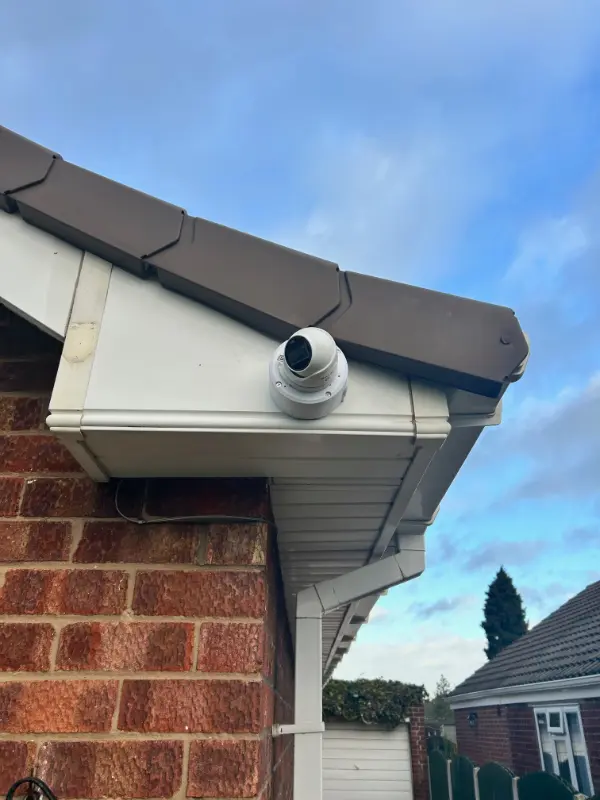
Covert monitoring is defined as surveillance that is carried out in a manner calculated to ensure that the subjects are unaware it is taking place. This includes: hidden cameras (in clocks, smoke detectors, computer monitors, etc.), monitoring software that the employee has not been informed about, and recording of telephone calls without the required beep tone or announcement. The test is whether the employee would reasonably expect privacy. A camera hidden in a communal office area is covert. A visible camera with a sign is overt. The distinction is critical: overt monitoring is generally permitted with proper notification; covert monitoring is generally prohibited without specific authorisation.
When Covert Monitoring May Be Permitted
The ICO’s Employment Practices Code allows covert monitoring only when: there is a specific, documented suspicion of criminal activity or equivalent malpractice, all overt monitoring and investigative methods have been considered and rejected as insufficient, the monitoring is time-limited (typically 2–4 weeks maximum), the monitoring is targeted at a specific location or activity, not general surveillance of all employees, and the authorisation has been given in writing by a senior manager who is independent of the investigation. Even meeting all these conditions, the covert monitoring may still be challenged and must be defensible as proportionate under the circumstances.

Consequences of Illegal Workplace Monitoring
Employees who discover they have been covertly monitored can: bring a claim in the employment tribunal for breach of the implied term of trust and confidence (which is not subject to a qualifying period of service and has no cap on compensation), make a complaint to the ICO, which can issue enforcement notices and fines up to £9,000, report the matter to the police under RIPA (which can lead to criminal prosecution of the individuals responsible), and bring a claim under the Human Rights Act 1998 for breach of Article 8 (right to private life). Compensation awards in successful claims typically range from £5,000 to £50,000.

Video: Total Facility Security Coverage at Silver Lion Farms | Customer Stories

Frequently Asked Questions
1. Is it legal to hide a camera in my office?
Answer: Covert surveillance without specific, documented authorisation is illegal under RIPA. Hidden cameras are only permitted when there is a documented suspicion of serious wrongdoing, overt methods are impractical, and authorisation is given by a senior manager. For more detail, see Pubs, Bars and Restaurants CCTV - UK legal requirements and GDPR compliance 2026. Also read our related guide: Car Park CCTV: ANPR Requirements for UK Operators. Browse our in-depth home security resource at Home Security Guide. Official UK guidance on this topic: ICO.
2. Can I monitor employee computer activity without telling them?
Answer: Overt monitoring (with notification and a clear policy) is permitted. Covert monitoring (without notification) is illegal except under the specific, authorised conditions described above. For more detail, see Can I use AI analytics to police common areas in a retail park without breaching GDPR? UK False Alarm Reduction CCTV rules explained 2026. Also read our related guide: Hikvision vs Dahua Ecosystem Comparison.
3. What is the ICO’s position on workplace covert CCTV?
Answer: The ICO’s Employment Practices Code states that covert monitoring should be used only in exceptional circumstances where there is a documented suspicion of criminal activity and all overt methods have been exhausted. For more detail, see Best CCTV cameras for Car Parks in 2026 - UK buyer guide. Also read our related guide: Reolink vs Annke: Value Proposition for UK Users.
4. What happens if I’m caught covertly monitoring employees?
Answer: Criminal prosecution under RIPA, ICO enforcement fines up to £9,000, employment tribunal claims with unlimited compensation for breach of trust and confidence, and potential claims under the Human Rights Act. For more detail, see Future of Gyms and Fitness Centres CCTV in 2026 - UK trends and technology. Also read our related guide: Eufy vs Ring: Privacy Differences for UK Users.
5. Can I monitor a specific employee suspected of theft?
Answer: Only with documented suspicion, written authorisation from senior management, a time-limited plan (2–4 weeks), and only if overt methods (visible cameras, bag searches) have been considered and are impractical for the specific situation. Also read our related guide: Wired vs Battery AI Performance Comparison.
Conclusion
The difference between a security system that works and one that frustrates is understanding the real-world behaviour of cameras, cables, and the environment they operate in. Manufacturers sell specifications. Installers solve problems. The questions above represent the issues that UK homeowners and businesses actually face — the ones the spec sheets do not mention.
Article by Gary Pearce, qualified security systems engineer. For a free security assessment, visit gary-pearce-home-services.pages.dev. This guide was last updated June 2026. Verify current UK regulations with the ICO.