Last updated: June 2026
Beyond the specific Protection from Harassment Act 1997 claims, a neighbour can bring a private nuisance claim under common law against a CCTV installation that interferes with their use or enjoyment of their land. Nuisance claims do not require proof of intention or harassment. They only require proof that the camera’s presence substantially and unreasonably interferes with the neighbour’s quiet enjoyment of their property. This is a lower threshold than harassment and may succeed where harassment claims fail.
The Elements of a Private Nuisance Claim
A private nuisance claim requires three elements: the CCTV operator owns or controls the land where the camera is installed (the “dominant tenement”); the camera interferes with the neighbour’s use or enjoyment of their land; and the interference is substantial and unreasonable. “Substantial” means more than trivial: a camera that occasionally captures a corner of the neighbour’s garden may be insufficient. “Unreasonable” involves a balancing test: the court weighs the camera’s security purpose against the degree of intrusion. A camera with no alternative position that causes minimal intrusion is less likely to be unreasonable than one that could have been placed elsewhere with equal effectiveness.
How Nuisance Differs from Harassment
Harassment under the Protection from Harassment Act 1997 requires a course of conduct (at least two occasions) that the operator knows or ought to know amounts to harassment. This requires some awareness of the effect on the neighbour. Nuisance under common law requires only that the interference is substantial and unreasonable. The court does not consider the operator’s knowledge or intent. This means a camera that genuinely does not bother the operator but causes significant distress to the neighbour can be a nuisance without being harassment. The neighbour does not need to prove they asked the operator to stop.
Defending a Nuisance Claim as a CCTV Operator
The strongest defence to a nuisance claim is that the camera serves a legitimate security purpose and reasonable steps have been taken to minimise intrusion. Documentary evidence of: a legitimate interest assessment, consultation with the neighbour before installation, the camera’s field of view with privacy masking, and consideration of alternative positions all strengthen the defence. The court considers whether the camera is the minimum necessary to protect the property. A camera that covers the entire garden rather than just the back door is harder to defend. A camera on a long arm bracket that projects beyond the boundary is difficult to defend.

Remedies Available to the Neighbour
If the neighbour wins a nuisance claim, the court can grant: an injunction requiring removal or repositioning of the camera, damages for loss of amenity (typically £1,000–£5,000 for proven distress), and an order prohibiting the operator from using the footage. The court can also order the operator to pay the neighbour’s legal costs. The Injunction is the most common remedy because the neighbour’s primary goal is stopping the surveillance, not financial compensation. Breach of an injunction is contempt of court, punishable by fine or imprisonment.
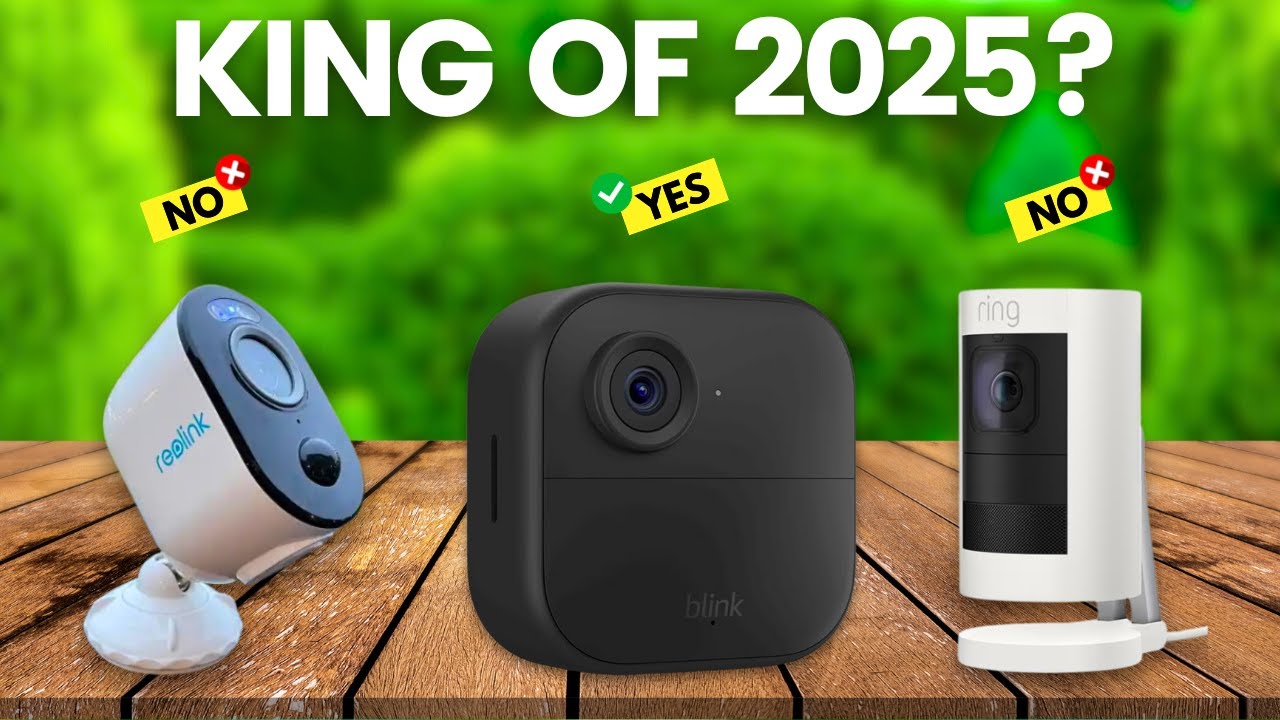
Video: 6 Best Security Cameras For Business 2025
Frequently Asked Questions
1. Can my neighbour sue me for nuisance because of my CCTV?
Answer: Yes, if the camera substantially and unreasonably interferes with their use of their property. Nuisance claims do not require proof of harassment or intent, only proof of the interference. For more detail, see Best CCTV cameras for Self Storage Facilities in 2026 - UK buyer guide. Also read our related guide: Insurance Conditions Requiring CCTV: When It Backfires. Browse our comprehensive CCTV knowledge base at CCTV Systems Guide. Official UK guidance on this topic: GOV.UK.
2. What is the difference between nuisance and harassment for CCTV?
Answer: Nuisance requires only substantial and unreasonable interference with the neighbour’s enjoyment of their land. Harassment requires a course of conduct that the operator knows or ought to know is harassment. For more detail, see How much does Car Parks CCTV cost in 2026? UK prices explained. Also read our related guide: ICO Complaints Procedure for Domestic CCTV.
3. How can I defend a nuisance claim about my CCTV?
Answer: Show that the camera serves a legitimate security purpose, there were no alternative positions, privacy masking is used, the field of view is the minimum necessary, and the neighbour was consulted before installation. For more detail, see Can religious institutions legally record worshippers entering a place of worship without explicit consent? UK Churches and Places of Worship CCTV rules explained 2026. Also read our related guide: Salt Spray Coastal Installations: CCTV Corrosion.
4. Can the court force me to remove my CCTV?
Answer: Yes. The court can grant an injunction requiring removal or repositioning. Breach of an injunction is contempt of court, punishable by fine or imprisonment. For more detail, see Can a UK hotel record guests in the lobby without obtaining explicit written consent? UK Hotels and Hospitality CCTV rules explained 2026. Also read our related guide: Pigeon Deterrents for Security Camera Housings.
5. What damages can a neighbour claim for CCTV nuisance?
Answer: Typically £1,000–£5,000 for proven distress and loss of amenity. The neighbour can also claim legal costs, which are often higher than the damages award. Also read our related guide: Leaf Debris Blocking Camera View in Autumn.

Conclusion
The difference between a security system that works and one that frustrates is understanding the real-world behaviour of cameras, cables, and the environment they operate in. Manufacturers sell specifications. Installers solve problems. The questions above represent the issues that UK homeowners and businesses actually face — the ones the spec sheets do not mention.
Article by Gary Pearce, qualified security systems engineer. For a free security assessment, visit gary-pearce-home-services.pages.dev. This guide was last updated June 2026. Verify current UK regulations with the ICO.