Last updated: June 2026
The mounting surface determines whether a CCTV camera bracket remains securely fixed for 5 years or works loose within 12 months. UK properties use a variety of wall constructions, each requiring specific fixing methods. A rawl plug suitable for brick fails in timber. A screw designed for timber shears in rendered blockwork. Using the wrong fixing for the wall type is one of the most common DIY CCTV installation errors and a frequent cause of camera misalignment and falls.
Brick and Block Wall Fixings
Solid brick and concrete block walls provide the strongest mounting surface. Use stainless steel expansion shield anchors (Rawlbolts or similar) for cameras weighing over 1 kg. For lighter cameras, use nylon wall plugs with corrosion-resistant screws. Drill into the brick body, not the mortar joint, which provides less than 50% of the pull-out strength of brick. Use a hammer drill with a masonry bit of the correct diameter: 5.5 mm for red plugs, 7 mm for brown plugs, 10 mm for blue plugs. The drill depth must match the plug length. A common error is drilling too shallow, leaving the plug protruding from the wall and providing reduced holding force.
Timber Frame and Cladding Fixings
Modern UK timber frame homes and timber-clad outbuildings require different fixings. Self-tapping stainless steel wood screws with a minimum 40 mm penetration into the timber frame are suitable. Do not rely on the external cladding alone, which may be only 9–12 mm thick. Pilot drill to prevent splitting the timber: a 3 mm pilot for a 5 mm screw. For cameras mounted on timber cladding over insulation, use a long screw that passes through the cladding and insulation into the timber frame. A stud finder is essential to locate the timber frame behind the cladding. Insulated wall sections provide zero holding strength if the screw only penetrates the cladding.
Rendered and Pebble-Dashed Walls
Render and pebble-dash finishes present two problems: the render layer is brittle and cracks under drilling pressure, and the fixing must reach through the render into the solid substrate behind. Use a masonry bit with a carbide tip to drill through render; standard bits will dull quickly. The hole must go through the render plus at least 35 mm into the substrate. Use a wall plug that is long enough to protrude 10 mm from the substrate into the render cavity. For pebble-dash, drill carefully to avoid the pebbles spinning the bit off-centre. A 9 mm or 10 mm pilot hole followed by the main bit reduces bit wander on pebble-dash surfaces.

Preventing Moisture Penetration at Mounting Points
Every hole drilled through an external wall for a camera bracket creates a potential water ingress point. Apply silicone sealant around the bracket base before tightening the fixing screws so that the sealant is compressed between the bracket and the wall surface. For horizontal surfaces or upward-facing bracket flanges, use a neoprene or rubber gasket under the bracket. The cable entry hole must be drilled at an upward angle (5–10 degrees from horizontal) so that water cannot track into the hole, and sealant must be applied inside the hole before the cable is inserted. The sealant bead should be tooled smooth and inspected annually for cracking.
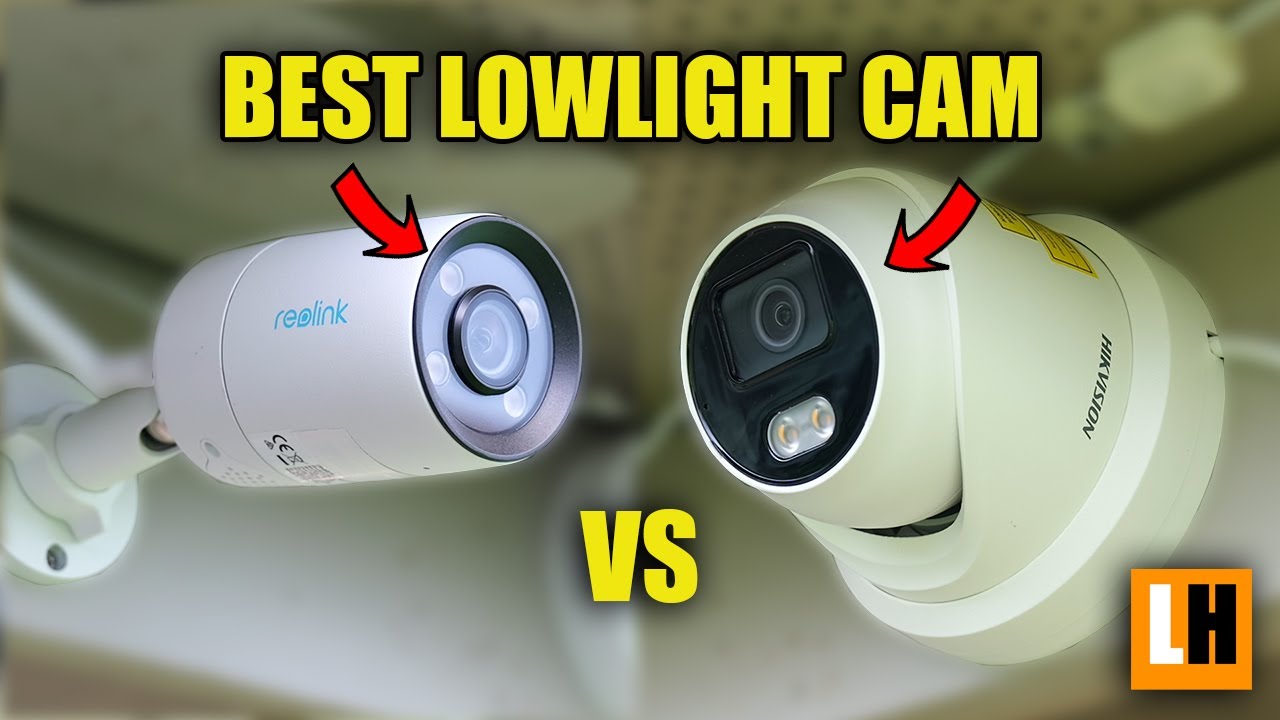
Video: Best Low Light Security Camera - Reolink vs Hikvision
Frequently Asked Questions
1. What type of screw should I use for CCTV on brick walls?
Answer: Stainless steel expansion anchors (Rawlbolts) for cameras over 1 kg. Nylon wall plugs with stainless steel screws for lighter cameras. Always drill into brick, not mortar, for maximum holding strength. For more detail, see How much does Home WiFi CCTV cost in 2026? UK prices explained. Also read our related guide: Cable Sag in UK Winters: Thermal Expansion of CCTV Cables. Browse our in-depth home security resource at Home Security Guide. Official UK guidance on this topic: ICO.
2. Can I mount a CCTV camera on timber cladding?
Answer: Yes, but the screw must penetrate through the cladding and at least 40 mm into the structural timber frame behind. Do not rely on the cladding alone, which is typically only 9–12 mm thick. For more detail, see How to install CCTV for Retail Shops and Stores - UK step by step guide 2026. Also read our related guide: Ladder Positioning for Safe CCTV Camera Installation.
3. How do I stop water getting in through CCTV mounting holes?
Answer: Apply silicone sealant around the bracket base before tightening. Drill cable entry holes at an upward angle. Fill the hole with sealant before inserting the cable. Inspect sealant annually for cracking. For more detail, see How to maintain Churches and Places of Worship CCTV systems - UK guide 2026. Also read our related guide: Right to Light vs CCTV Positioning Conflicts.
4. What drill bit do I need for rendered walls?
Answer: A carbide-tipped masonry bit for the render layer. For pebble-dash, start with a 9–10 mm pilot hole to prevent bit wander, then use the correct size bit for the plug. Standard bits dull quickly in render. For more detail, see How to maintain Car Parks CCTV systems - UK guide 2026. Also read our related guide: Pre-Action Protocol for Neighbour CCTV Disputes.
5. How much weight can a wall plug hold for CCTV mounting?
Answer: A 10 mm nylon plug in solid brick holds approximately 50 kg axial pull-out force. A 10 mm expansion anchor holds 100 kg. Always factor in wind loading, which multiplies the static load on exposed cameras. Also read our related guide: Nuisance Claims Under Common Law for Neighbour CCTV.
Conclusion
The difference between a security system that works and one that frustrates is understanding the real-world behaviour of cameras, cables, and the environment they operate in. Manufacturers sell specifications. Installers solve problems. The questions above represent the issues that UK homeowners and businesses actually face — the ones the spec sheets do not mention.
Article by Gary Pearce, qualified security systems engineer. For a free security assessment, visit gary-pearce-home-services.pages.dev. This guide was last updated June 2026. Verify current UK regulations with the ICO.