Last updated: June 2026
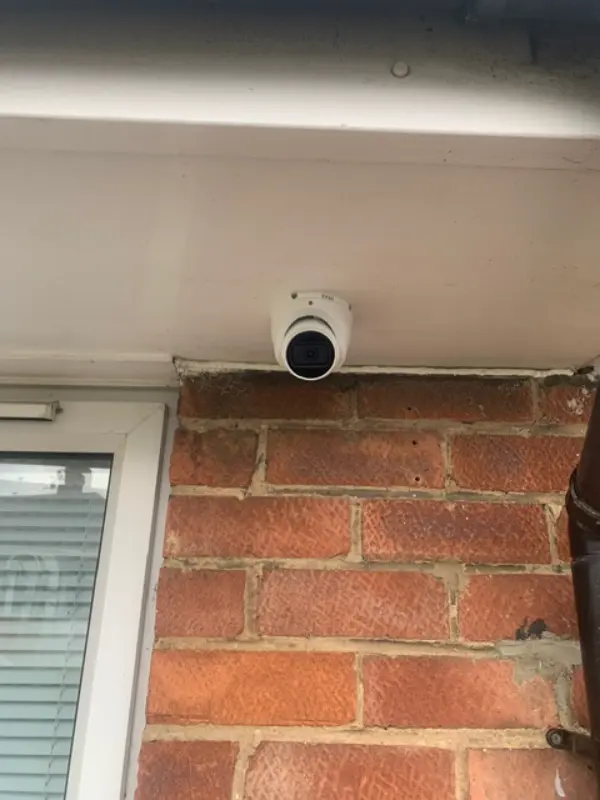
A CCTV camera that stops recording after a few months despite having a MicroSD card installed has fallen victim to write cycle exhaustion, a failure mode that affects flash memory used for continuous video recording. Standard MicroSD cards are designed for intermittent smartphone use, not the relentless sequential writing that surveillance demands. Understanding the write endurance difference is essential for any UK installer relying on edge storage.
Why MicroSD Cards Fail in Surveillance Use
MicroSD cards use NAND flash memory that can endure a limited number of program/erase cycles. A typical consumer-grade card rated at Class 10 or UHS-I uses 3D TLC NAND with approximately 1,000–3,000 P/E cycles. A camera recording continuously at 10 Mbps writes approximately 3.2 TB per month. A 128 GB card can absorb roughly 150–300 TB of writes before failure. At 3.2 TB per month, the card reaches its endurance limit in 4–8 years. However, most cards fail earlier because the camera's continuous overwrite pattern causes write amplification that accelerates wear beyond the theoretical limit.
The Difference Between Consumer and Endurance Cards
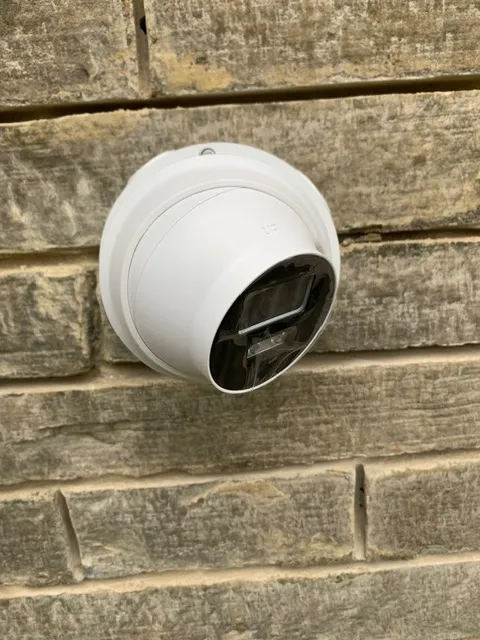
High-endurance MicroSD cards such as the Samsung Pro Endurance, SanDisk Max Endurance, and Kingston Industrial use MLC or 3D NAND with higher P/E cycle ratings and advanced wear-levelling algorithms. These cards are specifically designed for continuous recording applications such as dashcams and security cameras. A 128 GB endurance card can sustain up to 50,000 hours of continuous recording (5.7 years) compared to 8,000–12,000 hours for a consumer card. The price premium is approximately 2–3 times, but the card lasts 4–6 times longer.
How to Prolong MicroSD Life in Cameras
Set the camera to record on motion detection rather than continuously, reducing write volume by 70–90%. Use the camera's pre-record buffer (typically 5–10 seconds before the trigger) to capture events without continuous writing. Format the card inside the camera rather than in a PC, as the camera applies the optimal allocation unit size. Schedule a monthly format of the card within the camera’s maintenance settings to reset the file system and clear fragmentation. Replace the card every 2 years for continuous recording or every 4 years for motion-only recording.

Recognising the Symptoms of Card Failure
The first sign of imminent MicroSD failure is intermittent recording gaps during playback. The camera’s log may show “Card Error” or “Write Failure” entries. The card may still appear in the camera’s storage menu but fail to write new files. Attempting to read the card in a PC may prompt a requirement to format it. Once any of these symptoms appear, the card should be replaced immediately. Continued use of a failing card can cause the camera’s file system to corrupt, requiring a factory reset of the camera.

Video: Factory SOP Violations Detected | AI CCTV Monitoring by iSurveillanz
Frequently Asked Questions
1. How long do MicroSD cards last in CCTV cameras?
Answer: Consumer-grade cards last 1–2 years with continuous recording. High-endurance cards last 4–6 years. Motion-only recording extends both by 3–5 times. For more detail, see Does Retail Shops and Stores CCTV reduce insurance premiums in 2026? UK guide. Also read our related guide: NAS vs NVR for CCTV: Why NAS Fails for Recording. Browse our security technology hub at Uni Blog Security Hub. Official UK guidance on this topic: BSI.
2. What is the best MicroSD card for security cameras?
Answer: High-endurance cards rated for continuous recording: Samsung Pro Endurance, SanDisk Max Endurance, or Kingston Industrial. Avoid consumer cards labelled ‘for smartphone use only’. For more detail, see Best CCTV cameras for Hotels and Hospitality in 2026 - UK buyer guide. Also read our related guide: Pub CCTV 31-Day Retention Rule Under the Licensing Act.
3. Can a corrupted MicroSD card be repaired?
Answer: Once corruption starts, the card should be replaced. Attempting to repair it may work temporarily but failure will recur. The card’s NAND cells are physically worn out and cannot be recovered. For more detail, see Future of Care Homes and Assisted Living CCTV in 2026 - UK trends and technology. Also read our related guide: IK Rating Explained: The Vandal-Proof Myth.
4. Does formatting the card regularly help?
Answer: Monthly formatting within the camera clears file system fragmentation and resets the wear-levelling table, which can extend card life by 10–20%. Always format in the camera, not a PC. For more detail, see How to maintain Care Homes and Assisted Living CCTV systems - UK guide 2026. Also read our related guide: CCA Cable Destroys PoE Performance for CCTV.
5. Is 128 GB enough for a CCTV camera?
Answer: A 128 GB card at 10 Mbps stores approximately 29 hours of continuous footage. For motion-only recording, this extends to 5–10 days. For 24/7 recording, 256 GB or 512 GB is recommended. Also read our related guide: IR Distance Spec Inflation: Manufacturer Lies.
Conclusion
The difference between a security system that works and one that frustrates is understanding the real-world behaviour of cameras, cables, and the environment they operate in. Manufacturers sell specifications. Installers solve problems. The questions above represent the issues that UK homeowners and businesses actually face — the ones the spec sheets do not mention.
Article by Gary Pearce, qualified security systems engineer. For a free security assessment, visit gary-pearce-home-services.pages.dev. This guide was last updated June 2026. Verify current UK regulations with the ICO.