Last updated: June 2026
You own a Grade II listed cottage. Your insurance company insists you install CCTV to reduce the premium. Your local conservation officer says you cannot mount anything on the listed fabric. Your neighbour complains the camera will overlook their garden. You are trapped between three competing authorities, each with the power to cause legal consequences if you ignore them. This is not a rare edge case — there are over 400,000 listed residential buildings in England alone.
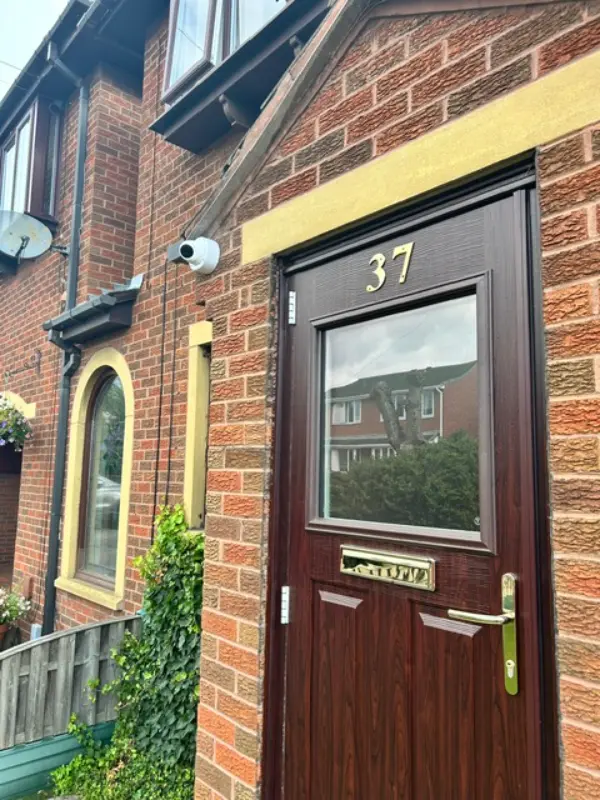
The Conflicting Requirements
Listed Building Consent (LBC): Any alteration that affects the character of a listed building requires consent from the local planning authority. Mounting a CCTV camera, running cables, or attaching brackets to listed fabric is an alteration. Installation without LBC is a criminal offence carrying potential fines and a requirement to reverse the work.
Insurance requirements: Many UK home insurers now require or incentivise CCTV installation for buildings insurance, particularly in high-crime areas. Some policies specifically require visible CCTV to qualify for discounts or to maintain coverage.
GDPR obligations: Same as any domestic CCTV — the camera must not intrude on neighbours' privacy. Listed buildings are often in close proximity to neighbours, making compliant camera placement difficult.
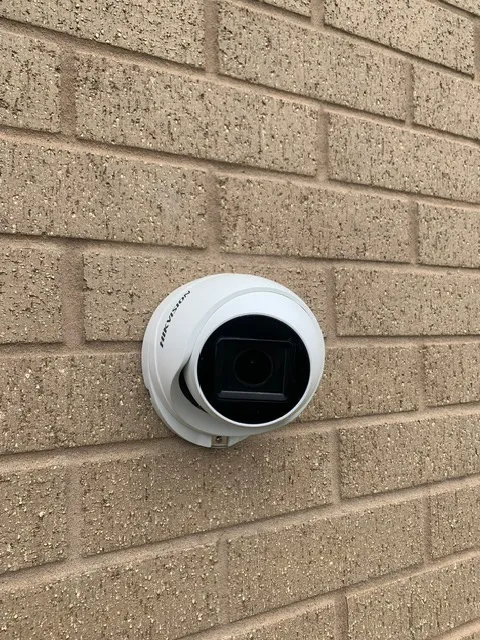
The Practical Path
Step 1: Contact your local planning authority's conservation officer before buying any equipment. They can advise on acceptable camera placements that do not require LBC.
Step 2: If LBC is required, submit a listed building consent application. Historic England and the local authority's conservation team will review it. Include photographs of the proposed location and details of the camera model.
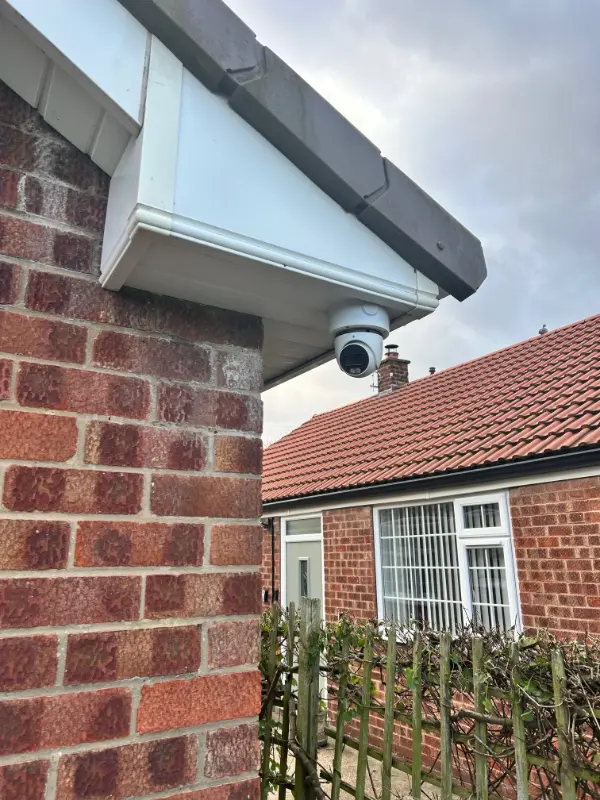
Step 3: Choose cameras that minimise visual impact. White or black dome cameras that match the building's colour scheme. Cameras mounted on non-original fabric (modern extensions, fence posts, free-standing poles) rather than on historic walls.
Step 4: Wireless cameras eliminate cable runs that damage historic fabric. Battery-powered cameras remove the need for wiring entirely. If wired is necessary, route cables through existing service channels.
What Not to Do
Do not install without consent. Unauthorised CCTV on a listed building can result in a fine of up to GBP 20,000 in magistrates court — and the council can require removal. Do not assume that 'temporary' installation (e.g., adhesive mounts) is exempt. If the adhesive damages the paint or surface, it still constitutes an alteration. Do not rely on 'permitted development' rights — these do not apply to listed buildings.

The Alternative Solutions
If listed building consent is refused or impractical, consider non-camera alternatives: improved lighting with motion sensors, alarm systems with perimeter detection, or a camera mounted on a freestanding pole within the garden (not attached to the building). These options provide security without altering the listed fabric.
For buildings where the conservation officer approves but neighbours object, privacy masking in the camera settings is the compromise. Set privacy zones before the camera goes live and document them. This satisfies both the conservation officer (no additional hardware changes) and the neighbour (no over-surveillance).
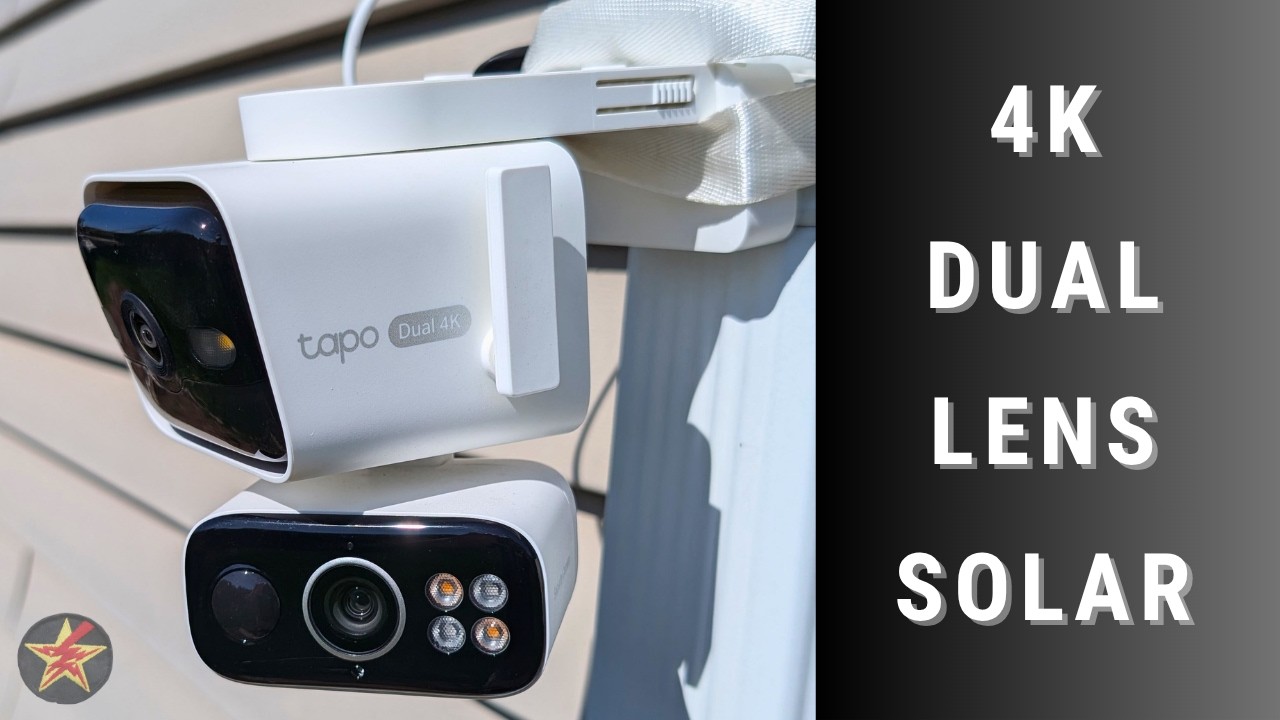
Video: Tapo C675D Kit Review - Is the Hype Justified? — a practical walkthrough of the technology discussed in this guide.
Frequently Asked Questions
1. Does my Grade II listed cottage automatically prohibit CCTV?
Answer: No. CCTV is not automatically prohibited. The requirement is to obtain listed building consent if the installation affects the character of the building. Many conservation officers approve discreet, well-positioned cameras. The key is asking before installing. For more detail, see Future of Care Homes and Assisted Living CCTV in 2026 - UK trends and technology. Also read our related guide: Council House CCTV: The Often-Overlooked Rules That Apply to Social Housing Tenants and Landlords. Browse our security technology hub at Uni Blog Security Hub. Official UK guidance on this topic: Surrey Security Centre.
2. Can I install CCTV in a listed building's window without LBC?
Answer: A camera placed on a windowsill inside a listed building, looking out through the glass, may not require LBC because it does not alter the fabric. However, the visual impact through the window and the cable route to a power source may still require consent. For more detail, see Schools and Education Settings CCTV - legal-compliance (2026). Also read our related guide: Why Your PoE Camera Reboots When Night Vision Activates — The Voltage Drop Problem Nobody Warns You About.
3. Does the conservation officer's decision override my insurance requirements?
Answer: Yes. Listed building consent requirements take precedence over insurance conditions. If conservation refuses CCTV installation, you cannot legally override that. Inform your insurer of the conservation restriction and ask about alternative security requirements. For more detail, see How to install CCTV for Retail Shops and Stores - UK step by step guide 2026. Also read our related guide: The Spider Web Problem: Why Your Night Vision CCTV Captures Nothing But Glowing Blur and What Actually Works.
4. What happens if I install CCTV without LBC and the council discovers it?
Answer: The council can serve a listed building enforcement notice requiring removal. Non-compliance is a criminal offence. In practice, councils often start with a warning letter if the installation is discreet and the owner cooperates. But the ultimate sanction is serious. For more detail, see How much does Care Homes and Assisted Living CCTV cost in 2026? UK prices explained. Also read our related guide: Why CCTV Behind Glass Fails at Night: The Physics of IR Reflection Through UK Windows.
5. Can I use a smart doorbell on a listed building's door frame?
Answer: A smart doorbell on a listed door frame is likely to require LBC because it alters the historic fabric. Some conservation officers accept discreet doorbells on non-original doors. Paint-grade door frames are viewed more favourably than natural stone or timber. Always check before mounting. Also read our related guide: The Ground Loop Problem: Why Horizontal Lines Roll Across Your CCTV Image and How to Fix Them Instantly.
Conclusion
The difference between a security system that works and one that frustrates is understanding the real-world behaviour of cameras, cables, and the environment they operate in. Manufacturers sell specifications. Installers solve problems. The questions above represent the issues that UK homeowners and businesses actually face — the ones the spec sheets do not mention.
Article by Gary Pearce, qualified security systems engineer. For a free security assessment, visit gary-pearce-home-services.pages.dev. This guide was last updated June 2026. Verify current UK regulations with the ICO.