Last updated: June 2026
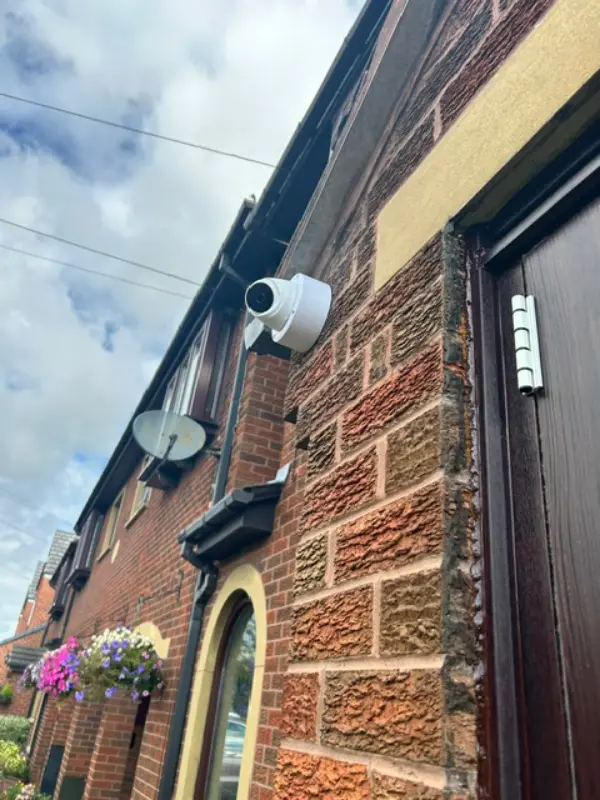
The exposed connection between a CCTV camera’s pigtail cable and the main network cable is the most vulnerable point in any outdoor installation. Water ingress at this unprotected connection is the leading cause of camera failure in UK installations, yet many DIY and even professional installers leave this connection exposed to British weather. A proper weatherproof junction box is not optional. It is the single most important reliability component in the installation.
What Happens to Exposed Connections
A camera’s Ethernet or power pigtail cable connects to the main cable run through an RJ45 coupler, screw terminal, or BNC barrel connector. When left exposed, this connection is subject to: water ingress that causes corrosion within 3–6 months, UV degradation of electrical tape or heat shrink within 12–18 months, physical strain from wind and gravity that fatigues the connector, and insect ingress that can short-circuit terminals. The first sign of failure is intermittent connectivity followed by complete camera loss. By the time the fault is visible, the connector pins are often corroded beyond repair, requiring the cable to be re-terminated.

IP65 vs IP67 Junction Box Ratings
An IP65 junction box protects against low-pressure water jets (6.3 mm nozzle at 12.5 litres per minute) and dust ingress. This is adequate for sheltered camera positions under eaves. An IP67 box protects against temporary immersion in 1 metre of water and is recommended for exposed positions where the camera and connection are directly exposed to wind-driven rain. The junction box used must have compatible cable gland entries rated to the same IP level. A junction box with IP65 rating but an unsealed cable entry gland provides no protection at that entry point.
Proper Junction Box Installation Steps
Mount the junction box on the wall before mounting the camera. Feed the main cable through the cable gland and into the box. Leave 200–300 mm of slack inside the box for re-termination if needed. Make the connection inside the box: for Ethernet, use a shielded coupler or punch-down block; for analogue, use a screw-terminal BNC or video balun. Secure the cable with a cable tie inside the box to prevent strain on the connector. Apply dielectric grease to all contacts before assembly. Seal the box lid with the gasket in place, tightening screws evenly. Apply silicone sealant around the cable entry at the gland face.

When the Camera Has an Integrated Junction Box
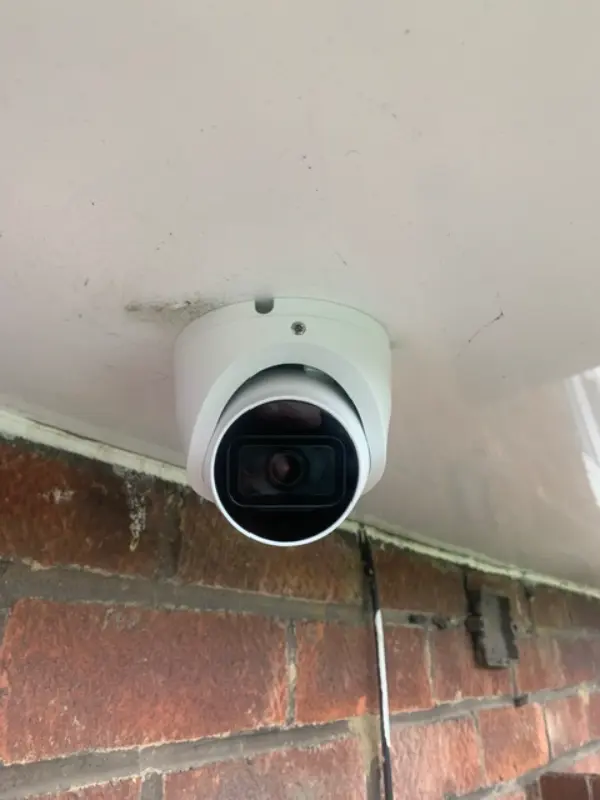
Many professional-grade IP cameras now include an integrated junction box in the camera base. The camera mounts directly onto a wall plate, and the cable connections are made inside the wall plate cavity. This design eliminates the exposed pigtail entirely. The wall plate seal must be checked during installation because the pre-installed gasket can be displaced during shipping. For cameras with integrated junction boxes, the cable entry from the wall must be sealed with silicone or a cable gland where it enters the wall plate to prevent water tracking along the cable into the housing.

Video: Building a Budget DIY Home Surveillance System
Frequently Asked Questions
1. Do I need a junction box for every outdoor camera?
Answer: Yes. Every outdoor camera connection should be inside a weatherproof junction box rated IP65 or IP67. Exposed connections are the leading cause of outdoor camera failure in UK weather. For more detail, see Best CCTV cameras for Gyms and Fitness Centres in 2026 - UK buyer guide. Also read our related guide: Pre-Made Patch Cables vs Field-Terminated for CCTV. Browse our in-depth home security resource at Home Security Guide. Official UK guidance on this topic: NSI.
2. Can I use electrical tape instead of a junction box?
Answer: Electrical tape degrades within 12 months of UK weather exposure. When the tape fails, moisture enters the connection and causes corrosion. A proper junction box costs £5–£15 and prevents this failure. For more detail, see How to maintain Self Storage Facilities CCTV systems - UK guide 2026. Also read our related guide: Vent Sealing for CCTV: Pressure vs Moisture Balance.
3. What size junction box do I need for a CCTV camera?
Answer: A 100 x 100 x 50 mm box is sufficient for one camera connection. A 150 x 120 x 60 mm box can accommodate two cameras or a camera plus power supply. Allow space for cable slack and connector manipulation. For more detail, see Does Car Parks CCTV reduce insurance premiums in 2026? UK guide. Also read our related guide: Mounting CCTV on Different Wall Types: Brick, Timber, Render.
4. Should I put the PoE injector inside the junction box?
Answer: PoE injectors generate heat and should not be enclosed in a small sealed junction box. Use a larger ventilated enclosure if you must co-locate the injector, or place the injector in a weatherproof enclosure at ground level. For more detail, see Can CCTV monitor common areas without explicit consent from all residents and their families? UK Care Homes and Assisted Living CCTV rules explained 2026. Also read our related guide: Cable Sag in UK Winters: Thermal Expansion of CCTV Cables.
5. How do I seal the cable entry into the junction box?
Answer: Use a cable gland with a rubber compression seal that matches the cable diameter. Tighten the gland compression nut until the seal grips the cable. Apply silicone sealant around the gland threads for additional protection. Also read our related guide: Ladder Positioning for Safe CCTV Camera Installation.
Conclusion
The difference between a security system that works and one that frustrates is understanding the real-world behaviour of cameras, cables, and the environment they operate in. Manufacturers sell specifications. Installers solve problems. The questions above represent the issues that UK homeowners and businesses actually face — the ones the spec sheets do not mention.
Article by Gary Pearce, qualified security systems engineer. For a free security assessment, visit gary-pearce-home-services.pages.dev. This guide was last updated June 2026. Verify current UK regulations with the ICO.