Last updated: June 2026
An IP67 rating is the most common ingress protection specification for outdoor CCTV cameras, but it is insufficient for long-term weather resistance in UK conditions. The IP67 test is a one-time laboratory verification that does not account for the real-world conditions that cause camera seals to fail: UV degradation, temperature cycling, vibration, and seal compression set over years of exposure. Understanding which IP rating actually protects your camera saves the cost of premature replacement.
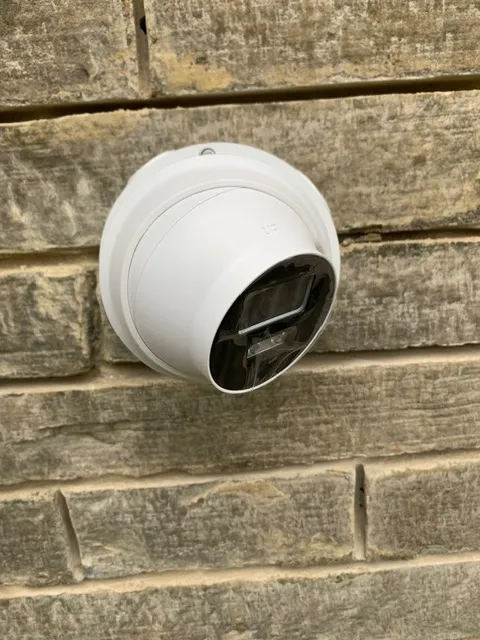
What IP67 Actually Guarantees (and Does Not)
IP67 testing under IEC 60529 involves two separate tests. The first (6) confirms that no dust enters the housing after 8 hours in a vacuum-sealed chamber with talcum powder. The second (7) confirms the housing survives immersion in 1 metre of water for 30 minutes without ingress. The test is performed once on a new housing at room temperature. It does not test UV resistance, temperature cycling (from -10 to 60 degrees C), wind-driven rain (which applies pressure different from static immersion), or seal degradation after 12 months of compression. A camera can pass IP67 testing and still develop condensation inside after 6 months outdoors.
Why IP66 Is Often Better for UK Outdoor Use
IP66 testing subjects the housing to high-pressure water jets from a 12.5 mm nozzle at 100 litres per minute from 3 metres away, at multiple angles, for 3 minutes minimum. This test more closely simulates British wind-driven rain than the static immersion test of IP67. A housing with IP66 passes water jet testing from all directions, while an IP67 housing has only proven it can survive static submersion. Many UK system integrators now specify IP66 as the minimum for cameras mounted in exposed positions, with IP67 reserved for cameras that may actually be submerged, such as flood-prone locations.
The Role of Gasket Material in Long-Term Sealing
The IP rating depends entirely on the gasket or O-ring sealing the housing. Cheaper cameras use EPDM rubber gaskets that degrade under UV exposure within 2–3 years, becoming brittle and cracking. Higher-quality cameras use silicone gaskets that remain flexible for 8–10 years. The gasket compression is set at the factory, and housing screws can loosen over temperature cycles, reducing compression. A camera that was IP67 on day one may be effectively IPX0 after 3 years of UK weather if the gasket material is not UV-stable and the screws are not secured with thread-locking compound.
What to Look for Beyond the IP Rating Number
Look for cameras that specify IP67/IP69K (the K rating adds high-pressure, high-temperature washdown testing). Check whether the manufacturer publishes salt spray corrosion testing (ASTM B117) for coastal installations. Verify the gasket material: silicone or FKM is preferable to EPDM or NBR. Ensure the cable entry gland is rated to the same IP level as the housing and is compatible with the cable diameter. The housing should have a Gore-Tex or similar pressure-equalising vent to prevent moisture ingress during temperature changes, which is the leading cause of hidden IP failure.
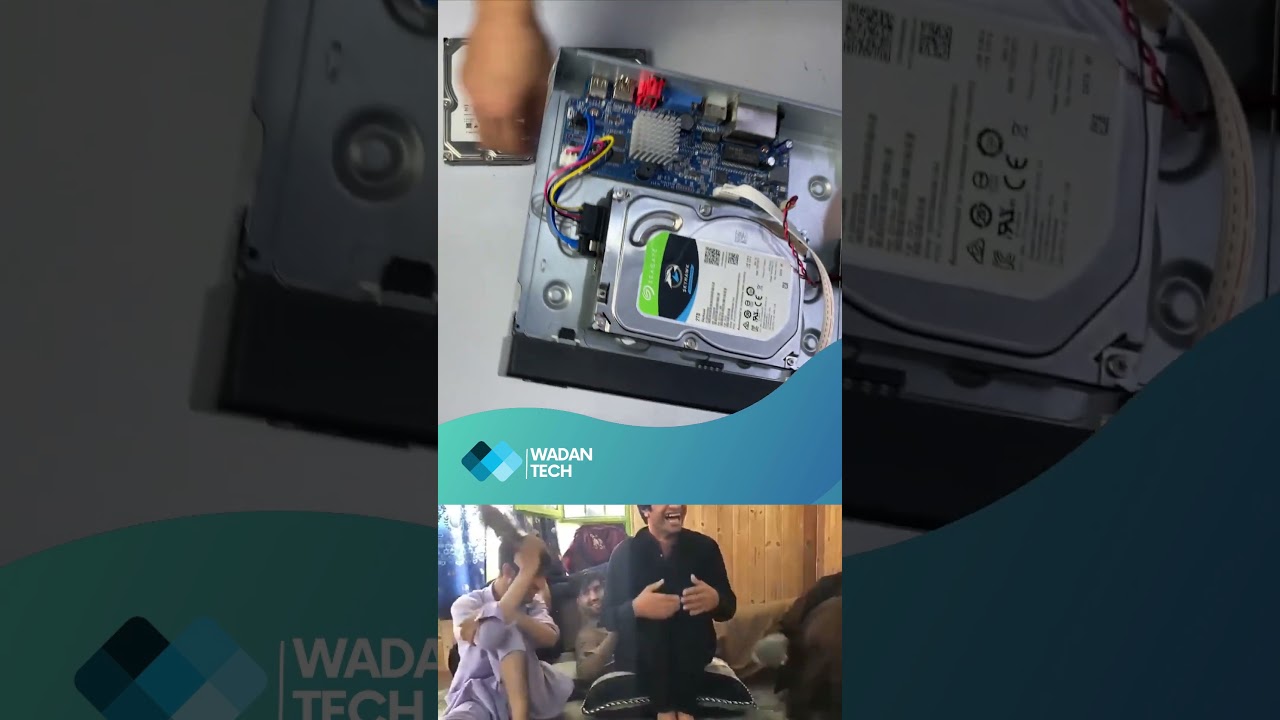
Video: How to Replace the Hard Disk in Dahua NVR
Frequently Asked Questions
1. Is IP67 good enough for UK outdoor CCTV?
Answer: IP67 is adequate for sheltered outdoor locations but insufficient for exposed positions with wind-driven rain. IP66 is often more appropriate for UK weather because it tests against high-pressure water jets. For more detail, see How to install CCTV for Home WiFi - UK step by step guide 2026. Also read our related guide: Camera Warranty Traps: What Voids Your Coverage. Browse our security technology hub at Uni Blog Security Hub. Official UK guidance on this topic: BSI.
2. Why does my IP67 camera have condensation inside?
Answer: The IP67 rating is tested on a new camera at room temperature. Temperature cycling, UV degradation, and gasket compression loss cause seal failure over time, allowing moisture ingress. For more detail, see How to maintain Offices and Commercial Buildings CCTV systems - UK guide 2026. Also read our related guide: WiFi Interference from Neighbours Plagues CCTV.
3. What IP rating do UK commercial installers specify?
Answer: Most commercial specifications require IP66 as minimum for outdoor cameras, with IP67 or IP68 for locations subject to flooding or direct hose-down cleaning. Coastal installations add salt spray corrosion requirements. For more detail, see How to install CCTV for Car Parks - UK step by step guide 2026. Also read our related guide: 5 GHz vs 2.4 GHz for WiFi Security Cameras.
4. Does IP68 offer better weather protection than IP67?
Answer: IP68 testing involves deeper immersion (manufacturer-specified depth) for longer duration. For above-ground cameras, IP67 and IP68 are similar. The real protection difference comes from the gasket material and housing design, not the IP number alone. For more detail, see Future of Farms and Agricultural Property CCTV in 2026 - UK trends and technology. Also read our related guide: LoRaWAN for Remote CCTV: Long-Range Low-Bandwidth Alternative.
5. How long does an IP67 seal last in UK weather?
Answer: A camera with EPDM gaskets may lose effective sealing after 2–3 years. Silicone gaskets can last 8–10 years. UV exposure, temperature range, and seal compression quality determine actual lifespan. Also read our related guide: 4G/5G Cellular Failover for Rural CCTV.
Conclusion
The difference between a security system that works and one that frustrates is understanding the real-world behaviour of cameras, cables, and the environment they operate in. Manufacturers sell specifications. Installers solve problems. The questions above represent the issues that UK homeowners and businesses actually face — the ones the spec sheets do not mention.
Article by Gary Pearce, qualified security systems engineer. For a free security assessment, visit gary-pearce-home-services.pages.dev. This guide was last updated June 2026. Verify current UK regulations with the ICO.