Last updated: June 2026
The distinction between indoor and outdoor CCTV cameras appears straightforward but contains practical traps that UK buyers frequently encounter. Using an indoor camera outdoors leads to rapid weather damage. Using an outdoor camera indoors wastes money on unnecessary weatherproofing and may produce worse image quality due to the IR reflection and wide dynamic range differences between indoor and outdoor environments. Understanding when you can use the same camera for both and when you need separate types saves money and improves performance.
Physical Differences: Housing, Seals, and Rating
Outdoor cameras have IP65 or IP67 rated housings with sealed cable entries, weatherproof gaskets, and corrosion-resistant fasteners. Indoor cameras typically have no IP rating, vented housings for cooling, and standard screws that rust in damp conditions. Using an indoor camera outdoors: moisture enters through the vented housing within weeks, causing internal corrosion; the non-UV-stabilised plastic housing becomes brittle within 12–18 months; and the IR LEDs reflect off the clear dome cover (if the indoor camera has a dome) creating white-out at night. Conversely, using an outdoor camera indoors: the larger housing is unnecessarily bulky; the weatherproof seals trap internal heat, potentially reducing camera lifespan by 10–20%; and the IR LEDs designed for 20-metre range are overwhelming in a 5-metre room, causing overexposure of nearby subjects.

Image Processing Tuning Differences
Outdoor cameras are tuned for scenes with widely varying lighting (direct sun, cloud, dusk, full dark with IR). Their image processing emphasises wide dynamic range to handle high-contrast scenes, aggressive noise reduction for low-light outdoor conditions, and adaptive IR exposure control. Indoor cameras are tuned for consistent artificial lighting with limited dynamic range, lower noise levels, and shorter IR range. Using an outdoor camera indoors produces images that look slightly flat because the WDR processing reduces contrast in uniformly lit indoor scenes. Using an indoor camera outdoors produces images with blown-out highlights in sunlight and excessive noise at dusk. The image quality difference is noticeable but not critical for most users.
When One Camera Can Serve Both Purposes
An outdoor-rated camera can be used indoors without functional issues if you adjust the image settings: reduce WDR level, adjust IR brightness, and set exposure to a fixed (non-adaptive) mode for consistent indoor lighting. The cost of an outdoor camera is typically 20–50% more than an equivalent indoor model, so using outdoor cameras throughout the property is not wasteful if you value consistency. An indoor camera should never be used outdoors, regardless of how sheltered the position appears. Moisture and UV degradation will destroy it within 12–18 months. The £15–£30 saving per camera is not worth the replacement cost.

Specific Recommendations for UK Properties
For a typical UK home: use outdoor-rated (IP65+) cameras for all external positions including cameras under eaves, in porches, and in covered walkways. Damp air and wind-driven rain reach sheltered positions. Use indoor-rated cameras for all internal positions: hallways, living areas, and internal garages. If you want identical camera models throughout for aesthetic consistency, choose outdoor-rated models for all positions and adjust the image settings per location. The total cost difference for an 8-camera system is approximately £160–£400, which is acceptable for many homeowners who value a uniform appearance.
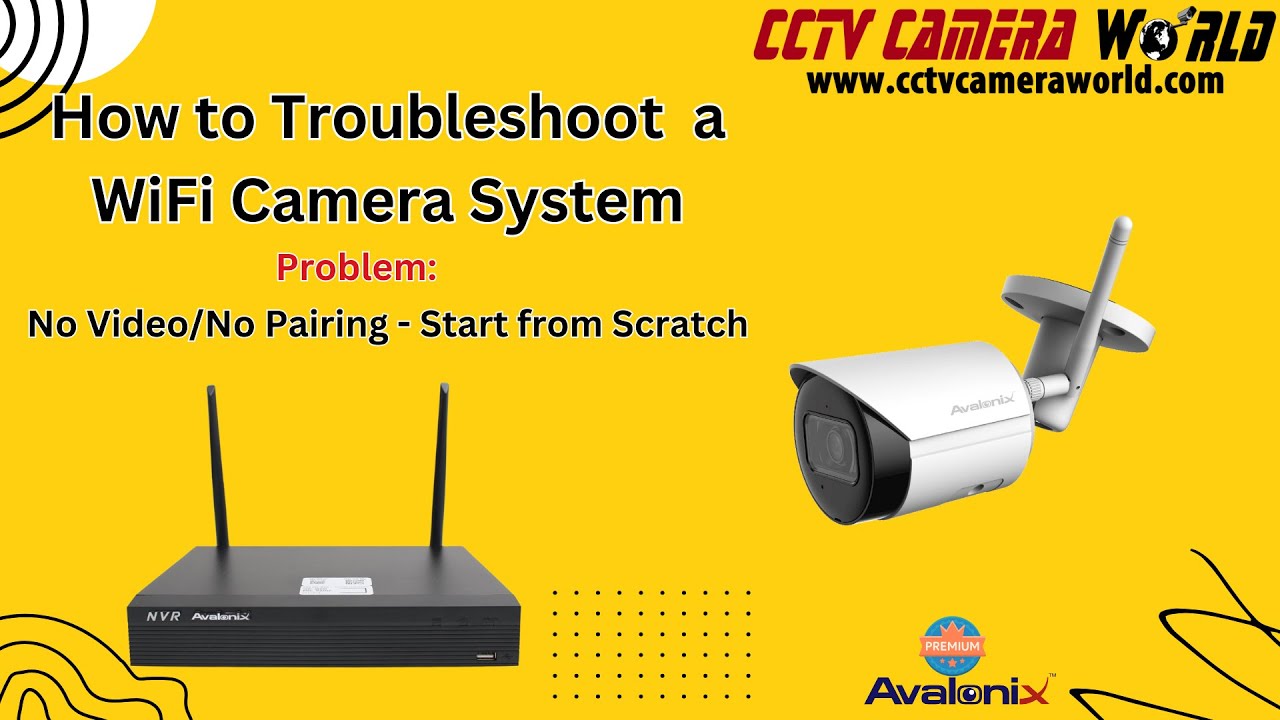
Video: How to Troubleshoot a WiFi Camera System - No Video/No Pairing - Start from Scratch
Frequently Asked Questions
1. Can I use an outdoor CCTV camera inside?
Answer: Yes. An outdoor camera works indoors without functional issues. Adjust image settings (WDR, IR brightness, exposure mode) for the consistent indoor lighting environment. The camera will be bulkier than necessary. For more detail, see How to maintain Construction Sites CCTV systems - UK guide 2026. Also read our related guide: PoE vs Battery Total Cost of Ownership: 5-Year Analysis. Browse our in-depth home security resource at Home Security Guide. Official UK guidance on this topic: ICO.
2. Can I use an indoor CCTV camera outside?
Answer: No. Indoor cameras lack weather seals, UV-stabilised housings, and proper moisture protection. They will fail within 12–18 months outdoors due to moisture ingress and UV degradation. For more detail, see Future of Hotels and Hospitality CCTV in 2026 - UK trends and technology. Also read our related guide: Subscription vs Local Storage: 5-Year Cost Analysis.
3. Do I need outdoor cameras under my porch/eaves?
Answer: Yes. Even sheltered positions experience damp air, condensation, and wind-driven rain. Use IP65-rated cameras as a minimum for any external position. For more detail, see Farms and Agricultural Property CCTV - UK legal requirements and GDPR compliance 2026. Also read our related guide: 2K vs 4K for CCTV: Practical Differences for Suspect ID.
4. Are outdoor cameras more expensive than indoor?
Answer: Typically 20–50% more expensive than equivalent indoor models, reflecting the cost of weatherproof housing, seals, and UV-stabilised materials. For more detail, see How to install CCTV for Home WiFi - UK step by step guide 2026. Also read our related guide: Back Focus Adjustment for Sharp CCTV Images.
5. Can I get the same camera model for indoor and outdoor?
Answer: Yes, by choosing the outdoor-rated model. Many camera series offer the same optics and sensor in both indoor and outdoor housing variants. Adjust image settings per installation location. Also read our related guide: Shutter Speed Settings for Number Plate Capture.

Conclusion
The difference between a security system that works and one that frustrates is understanding the real-world behaviour of cameras, cables, and the environment they operate in. Manufacturers sell specifications. Installers solve problems. The questions above represent the issues that UK homeowners and businesses actually face — the ones the spec sheets do not mention.
Article by Gary Pearce, qualified security systems engineer. For a free security assessment, visit gary-pearce-home-services.pages.dev. This guide was last updated June 2026. Verify current UK regulations with the ICO.