Last updated: June 2026
When a neighbour or member of the public complains about a domestic CCTV camera to the Information Commissioner’s Office, a specific process is triggered that the camera operator needs to understand. The ICO does not automatically fine or order removal of the camera. Its process involves assessment, informal resolution, and only as a last resort, formal enforcement. Knowing the steps of this process helps camera operators respond appropriately and avoid escalation.
How a Complaint Reaches the ICO
The neighbour submits a complaint through the ICO’s website or by post. The ICO assesses the complaint against its published priorities: domestic CCTV complaints are typically low priority unless they involve harassment, vulnerable individuals, or a failure to respond to a Subject Access Request. The ICO receives over 15,000 CCTV-related complaints per year and investigates approximately 5% of them formally. Most complaints are closed after an initial assessment if the camera appears to be within normal domestic use. The ICO does not investigate complaints that are primarily about harassment or nuisance, which are civil matters.
The ICO’s Investigation Process
If the ICO decides to investigate, it sends the camera operator a letter describing the complaint and requesting information about the CCTV system within 21 days. The operator must provide: the camera locations, the field of view of each camera, the retention period for footage, the lawful basis for processing (usually legitimate interest), and any privacy masking or other mitigation measures. The ICO may also request photographs of the camera positions and a copy of the operator’s legitimate interest assessment. Failure to respond within the 21-day period can result in escalation without further warning.
Informal Resolution Options
The ICO’s preferred outcome is informal resolution. If the investigation finds that the camera captures beyond the operator’s boundary and causes unwarranted intrusion, the ICO will suggest: repositioning the camera, installing privacy masking, reducing the retention period, or providing the neighbour with a written explanation of the system’s purpose. The ICO does not have the power to require removal of a domestic camera in most cases, but it can require the operator to take specific steps to mitigate intrusion. Operators who follow these recommendations have no further action taken against them.
Formal Enforcement and Appeals
If the operator refuses to engage with informal resolution, the ICO can issue an enforcement notice under section 149 of the Data Protection Act 2018. The enforcement notice requires specific actions within a specified timeframe (typically 28 days). Failure to comply with the enforcement notice is a criminal offence punishable by a fine of up to £9,000 in the Magistrates’ Court. The operator can appeal the enforcement notice to the First-tier Tribunal (Information Rights). The appeal must be lodged within 28 days of the enforcement notice. Legal representation at the tribunal is recommended and costs approximately £2,000–£5,000.
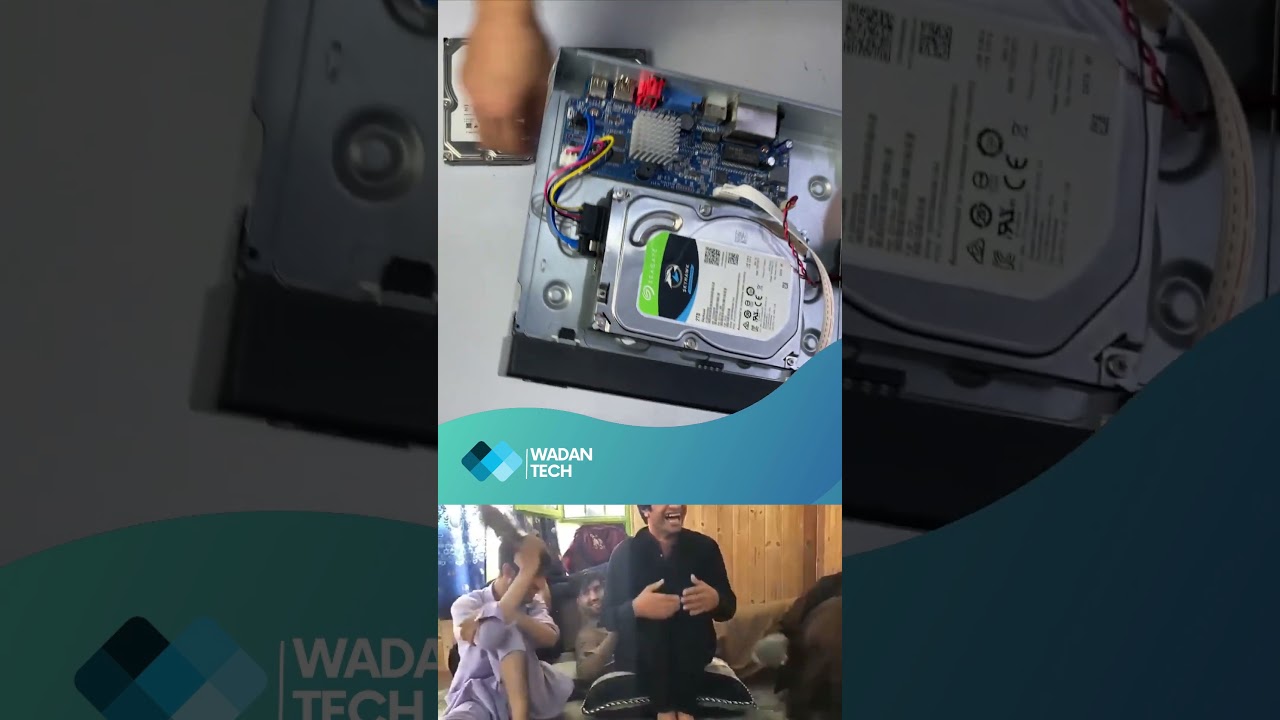
Video: How to Replace the Hard Disk in Dahua NVR
Frequently Asked Questions
1. How do I complain to the ICO about a neighbour’s CCTV?
Answer: Submit a complaint through the ICO’s website at ico.org.uk. Provide the neighbour’s address, camera locations, and evidence of the intrusion. The ICO will assess whether the complaint falls within its remit. For more detail, see Can CCTV record inside a resident's private bedroom in a care home? UK Care Homes and Assisted Living CCTV rules explained 2026. Also read our related guide: Salt Spray Coastal Installations: CCTV Corrosion. Browse our security technology hub at Uni Blog Security Hub. Official UK guidance on this topic: BSI.
2. What happens when the ICO investigates my CCTV system?
Answer: The ICO will send you a letter requesting information within 21 days: camera locations, field of view, retention period, lawful basis for processing, and mitigation measures. Respond promptly and fully. For more detail, see Warehouses and Logistics CCTV - UK legal requirements and GDPR compliance 2026. Also read our related guide: Pigeon Deterrents for Security Camera Housings.
3. Can the ICO force me to remove my home CCTV?
Answer: The ICO cannot directly order removal of domestic CCTV, but it can issue an enforcement notice requiring specific mitigation measures. Non-compliance is a criminal offence with fines up to £9,000. For more detail, see How to maintain Care Homes and Assisted Living CCTV systems - UK guide 2026. Also read our related guide: Leaf Debris Blocking Camera View in Autumn.
4. How long does an ICO CCTV investigation take?
Answer: Initial assessment typically takes 4–8 weeks. Formal investigations take 3–6 months. Informal resolution attempts add 4–8 weeks. The full process from complaint to enforcement can take 6–12 months. For more detail, see Smart CCTV Solutions for Self Storage Facilities in 2026. Also read our related guide: Moss Growth on Camera Housings in Damp UK Climates.
5. Can I appeal an ICO enforcement notice about my CCTV?
Answer: Yes, to the First-tier Tribunal (Information Rights) within 28 days of the enforcement notice. Legal representation is recommended and costs approximately £2,000–£5,000 for the appeal process. Also read our related guide: Severe Wind Vibration Affecting CCTV Image Quality.
Conclusion
The difference between a security system that works and one that frustrates is understanding the real-world behaviour of cameras, cables, and the environment they operate in. Manufacturers sell specifications. Installers solve problems. The questions above represent the issues that UK homeowners and businesses actually face — the ones the spec sheets do not mention.
Article by Gary Pearce, qualified security systems engineer. For a free security assessment, visit gary-pearce-home-services.pages.dev. This guide was last updated June 2026. Verify current UK regulations with the ICO.