Last updated: June 2026
The privacy practices of Eufy (Anker) and Ring (Amazon) have been the subject of significant controversy and investigation. For UK users choosing between these popular wireless camera brands, the privacy comparison goes beyond marketing claims to fundamental architectural differences in how video data is stored, accessed, and potentially shared. Understanding these differences is essential for making an informed choice about who has access to the video footage from inside and around your home.

Ring’s Data Architecture: Cloud-Centric
Ring cameras upload video to Amazon’s cloud servers whenever motion is detected. The video is processed on Amazon Web Services for AI detection (person, package, animal, vehicle). Amazon retains video footage on its servers for up to 180 days depending on the subscription plan. Ring has acknowledged that employees and contractors have accessed customer video footage for training and quality purposes. Amazon owns Ring and the data is subject to Amazon’s privacy policy, which permits data sharing with law enforcement without a warrant in emergency situations and with a warrant for stored footage. Ring’s Neighbors app publicly shares user-submitted video clips and location data by default (users must opt out).
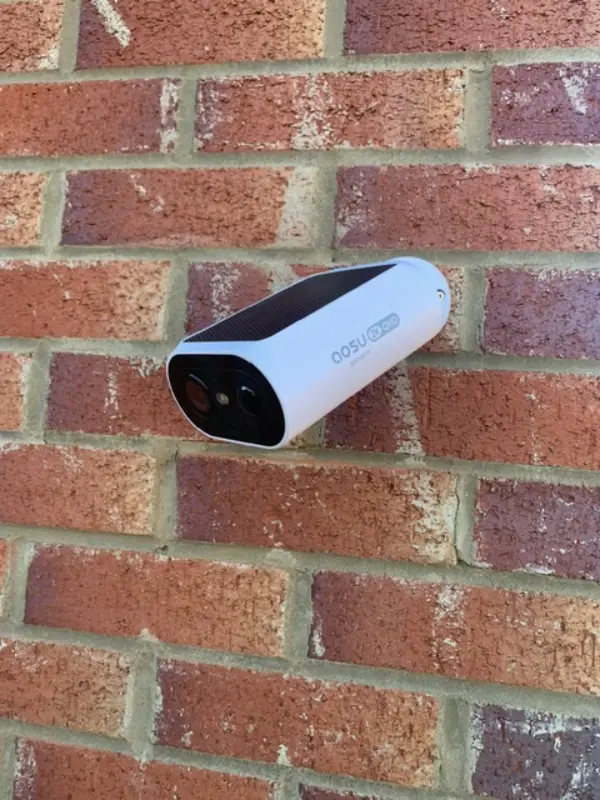
Eufy’s Data Architecture: Local Storage Focus
Eufy cameras store video footage locally on the HomeBase (the base station) by default. Video does not go to the cloud unless the user enables cloud storage or remote access. Eufy’s AI processing occurs on the HomeBase, not on cloud servers. In early 2023, Eufy faced controversy when it was discovered that thumbnails from Eufy cameras were accessible through cloud-based CDN URLs even when cloud storage was disabled. Anker (Eufy’s parent) addressed this by changing the architecture to require user authentication for all cloud-based media access. Eufy’s privacy policy states that video footage is not shared with third parties and is not used for training AI models.
Law Enforcement Access Comparison
Ring provides law enforcement with a specific portal for requesting footage and has partnerships with over 2,000 UK police forces and agencies through the Ring Neighbors platform. Police can request footage from Ring users through the app and can also request a warrant for stored footage. Ring complies with lawful requests and has reported providing footage in response to emergency requests without a warrant. Eufy does not provide a law enforcement portal. Eufy would require a warrant to access any locally stored footage (which requires physical access to the HomeBase) or cloud-stored footage (if the user has enabled cloud storage). The practical difference is that Ring makes it easy for law enforcement to access footage; Eufy makes it difficult.
Which System Is Right for Privacy-Conscious UK Users
For users who prioritise maximum privacy and want to ensure their video footage is not accessible to third parties or law enforcement without their explicit, informed consent, Eufy with local-only storage is the better choice. For users who want the most reliable AI detection, the fastest cloud-based notifications, and the convenience of cloud backup, Ring provides a more polished experience at the cost of privacy. The choice is fundamentally between local-first architecture with fewer features (Eufy) and cloud-dependent architecture with better integration (Ring). Neither system is inherently “secure” or “insecure”; they represent different trade-offs between privacy and functionality.

Video: IPcam: Testing new 4K (8MP) "2019" IP camera models from Dahua (lots of demo footage)
Frequently Asked Questions
1. Which is more private: Eufy or Ring?
Answer: Eufy with local-only storage is more private because video stays on the HomeBase and is not uploaded to cloud servers. Ring uploads all video to Amazon’s cloud, where employees have accessed footage for training purposes. For more detail, see Can I film staff in a warehouse changing room? UK Warehouses and Logistics CCTV rules explained 2026. Also read our related guide: Wired vs Battery AI Performance Comparison. Browse our security technology hub at Uni Blog Security Hub. Official UK guidance on this topic: Surrey Security Centre.
2. Can Eufy footage be accessed by Anker employees?
Answer: Eufy’s privacy policy states that video footage is not shared with third parties and is not used for AI training. The 2023 CDN thumbnail controversy was addressed by adding user authentication requirements. For more detail, see Best CCTV cameras for Warehouses and Logistics in 2026 - UK buyer guide. Also read our related guide: Indoor vs Outdoor Cameras: Can You Use the Same Camera?.
3. Does Ring share footage with UK police?
Answer: Yes. Ring provides law enforcement with a dedicated portal for requesting footage. Over 2,000 UK police forces and agencies use the Ring Neighbors platform. Police can request footage with or without a warrant in emergencies. For more detail, see Future of Self Storage Facilities CCTV in 2026 - UK trends and technology. Also read our related guide: PoE vs Battery Total Cost of Ownership: 5-Year Analysis.
4. Do Eufy cameras require a subscription?
Answer: No. Eufy cameras provide local recording to the HomeBase, AI detection, push notifications, and remote viewing without any subscription. Cloud storage is optional at extra cost. For more detail, see How to install CCTV for Pubs, Bars and Restaurants - UK step by step guide 2026. Also read our related guide: Subscription vs Local Storage: 5-Year Cost Analysis.
5. Is Ring’s Neighbors app privacy-invasive?
Answer: The app publicly shares user-submitted video clips and location data by default. You must opt out of public sharing in the app settings. The app is designed to share footage with the local community and law enforcement. Also read our related guide: 2K vs 4K for CCTV: Practical Differences for Suspect ID.

Conclusion
The difference between a security system that works and one that frustrates is understanding the real-world behaviour of cameras, cables, and the environment they operate in. Manufacturers sell specifications. Installers solve problems. The questions above represent the issues that UK homeowners and businesses actually face — the ones the spec sheets do not mention.
Article by Gary Pearce, qualified security systems engineer. For a free security assessment, visit gary-pearce-home-services.pages.dev. This guide was last updated June 2026. Verify current UK regulations with the ICO.