Last updated: June 2026
Dual-lens cameras that combine a wide-angle lens and a telephoto lens in a single housing solve the fundamental compromise of CCTV lens selection: the wide lens provides situational awareness but subjects are too small for identification, while a telephoto lens provides identification but misses context. Dual-lens cameras use AI to automatically track and zoom into subjects detected in the wide view, presenting both the overview and the close-up simultaneously.
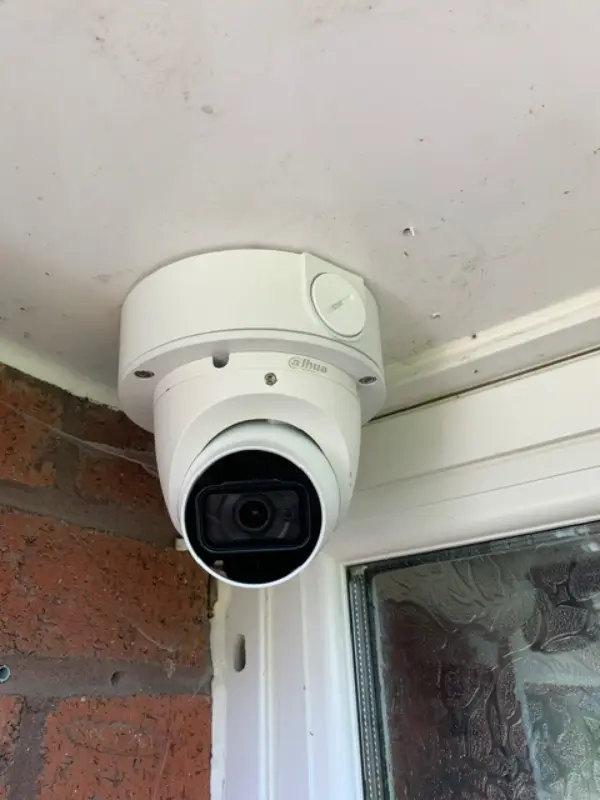
How Dual-Lens Cameras Work
A dual-lens camera contains two independent optical systems feeding a single image processor. The wide-angle lens (typically 2.8–4 mm) covers a 90–110 degree view of the scene. The telephoto lens (typically 12–50 mm) covers a narrower 15–40 degree view. The camera’s AI system monitors the wide view for motion and object detection. When a person or vehicle enters the wide view, the AI either digitally crops the telephoto view to follow the subject or uses PTZ-like tracking if the telephoto lens has motorised zoom. The output is a single video stream showing both the overview and a zoomed insert, or two separate streams.
Advantages Over Single-Lens Cameras
A single-lens camera with a varifocal lens set to wide angle cannot identify a face beyond 5–8 metres. Set to telephoto, it cannot see activity outside a narrow corridor. A dual-lens camera provides both capabilities without compromise. The wide view serves as a trigger for AI detection, while the telephoto view provides identification-quality images at ranges of 20–50 metres. This eliminates the need for two separate cameras covering the same area, reducing installation cost, cabling, and NVR channel usage. For a driveway or garden covering 15 metres, a single dual-lens camera can replace two single-lens cameras at a similar total cost.
Limitations to Be Aware Of
The telephoto lens field of view is fixed. The AI can track subjects within the wide view by digitally cropping the telephoto image, but subjects that move outside the telephoto lens’s physical field of view cannot be tracked optically. This means a person who walks 30 degrees to the side of the telephoto lens’s centre line is tracked by digital zoom on the wide-angle image, not the full telephoto resolution. The effective identification range is therefore limited to the telephoto lens’s physical coverage area. Dual-lens cameras also consume approximately 30% more power than single-lens cameras due to the second imager and additional processing.
Best Applications for Dual-Lens Cameras
Dual-lens cameras excel in three UK applications: long driveway coverage where a single camera must provide both overview of the full drive and identification at the gate; commercial entrances where both the approach view and a facial close-up are needed; and perimeter walls where the camera must monitor a long stretch while providing identification-quality images at any point along that stretch. For standard garden or back door coverage under 10 metres, a single varifocal camera set to 4–6 mm is usually sufficient and more cost-effective than a dual-lens camera.
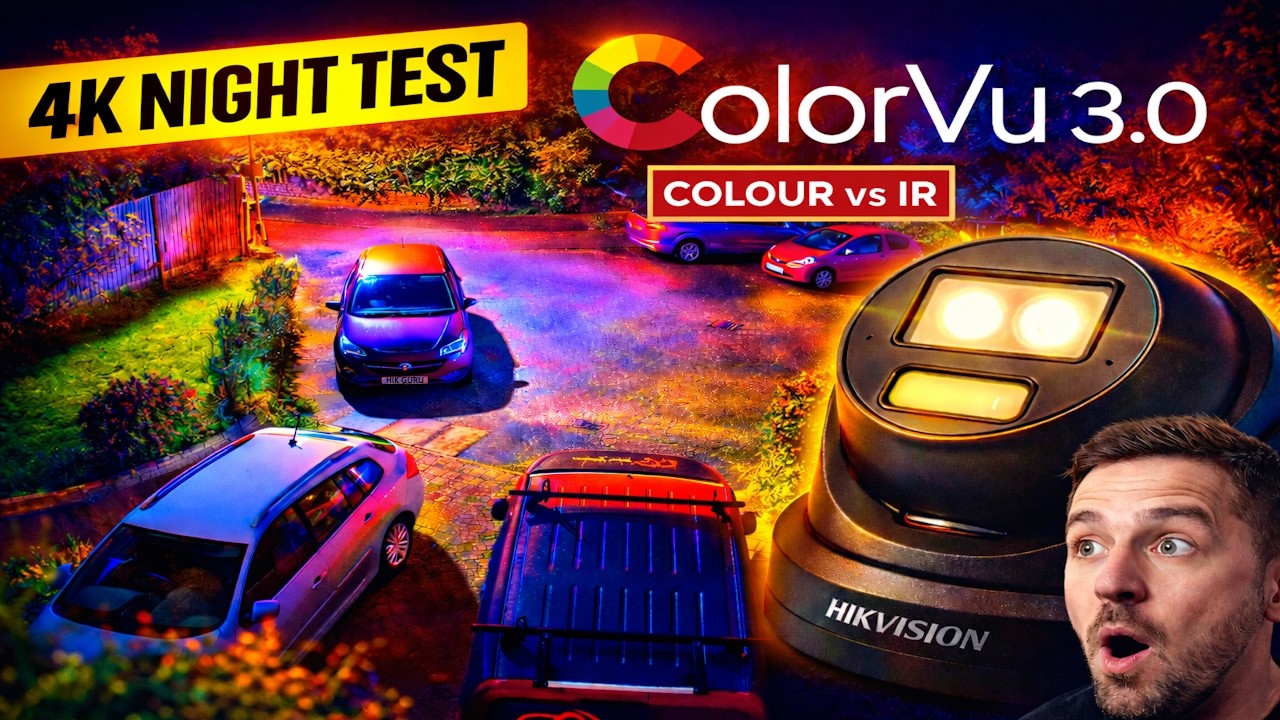
Video: Hikvision ColourVu 3.0 - Full Review, Test & Giveaway
Frequently Asked Questions
1. What is a dual-lens CCTV camera?
Answer: A camera with two lenses: a wide-angle lens for overview and a telephoto lens for close-up identification. AI automatically tracks subjects detected in the wide view and presents both views simultaneously. For more detail, see Future of Car Parks CCTV in 2026 - UK trends and technology. Also read our related guide: ePoE vs Standard PoE: Extended Reach for CCTV. Browse our in-depth home security resource at Home Security Guide. Official UK guidance on this topic: ICO.
2. Can a dual-lens camera replace two cameras?
Answer: Yes, for many applications. A dual-lens camera providing wide situational awareness plus telephoto identification can replace two single-lens cameras covering the same area, reducing hardware and installation costs. For more detail, see How to install CCTV for Care Homes and Assisted Living - UK step by step guide 2026. Also read our related guide: Audio Analytics Limits: Glass Break and Gunshot Detection.
3. What is the identification range of a dual-lens camera?
Answer: The telephoto lens typically provides face identification at 15–25 metres and vehicle number plate reading at 20–40 metres, depending on the specific lens focal length and sensor resolution. For more detail, see How to maintain Farms and Agricultural Property CCTV systems - UK guide 2026. Also read our related guide: Alexa and Google Home CCTV Integration Quirks.
4. Do dual-lens cameras use more power than single-lens?
Answer: Yes, approximately 30% more power due to the second image sensor and additional AI processing. Ensure the PoE budget and switch capacity accommodate the higher power draw, typically 15–20 watts per camera. For more detail, see Future of Offices and Commercial Buildings CCTV in 2026 - UK trends and technology. Also read our related guide: Home Assistant CCTV Setup Challenges.
5. Are dual-lens cameras worth the extra cost?
Answer: For applications requiring both wide-area coverage and distant identification (driveways, perimeters, commercial entrances), yes. For short-range back garden or door coverage, a single varifocal lens camera is more cost-effective. Also read our related guide: IFTTT Reliability for Camera Triggers.

Conclusion
The difference between a security system that works and one that frustrates is understanding the real-world behaviour of cameras, cables, and the environment they operate in. Manufacturers sell specifications. Installers solve problems. The questions above represent the issues that UK homeowners and businesses actually face — the ones the spec sheets do not mention.
Article by Gary Pearce, qualified security systems engineer. For a free security assessment, visit gary-pearce-home-services.pages.dev. This guide was last updated June 2026. Verify current UK regulations with the ICO.