Last updated: June 2026
Social housing tenants face different rules for CCTV installation than private tenants or homeowners. The council is both your landlord and the local authority responsible for planning enforcement. A camera that would be acceptable in a private rental may breach your tenancy agreement with the council, and a camera that the council permits may still breach planning regulations that the council itself enforces. This dual role creates conflicts of interest that few tenants navigate successfully.
The Council's Dual Role
As landlord, the council controls what tenants can install on property structure. Standard tenancy agreements prohibit 'drilling, screwing, or fixing any item to walls, doors, or windows' without written permission. As planning authority, the council enforces regulations about what can be seen from public spaces and how cameras affect the streetscape.
Most council tenants assume they have the same rights as private tenants. They do not. Council tenancy agreements are more restrictive about alterations, and the consequences of unauthorised installation can include: a warning letter, a notice to remove, and in persistent cases — possession proceedings.
What Council Tenants Can Install
Indoor freestanding cameras: No permission needed. A camera on a shelf inside the property does not alter the structure. Window-mounted cameras (adhesive): May be permitted if the adhesive does not damage the frame. Check tenancy agreement — some councils explicitly prohibit any window attachments. Doorbell cameras (adhesive): Increasingly accepted by councils, but written permission is recommended. Some councils have standard policies for doorbell cameras issued on request. Drilled cameras: Requires written permission. The council will typically require professional installation and make-good on termination.
The Anti-Social Behaviour Risk
Social housing tenants who install CCTV that captures neighbours' properties face additional risk: the council may classify the installation as anti-social behaviour (ASB). Under the Anti-Social Behaviour, Crime and Policing Act 2014, the council can issue an injunction or a Community Protection Notice requiring camera removal.
In several documented cases, councils have used ASB powers against tenants whose CCTV cameras harassed neighbours. The legal threshold for ASB is lower than for GDPR enforcement, meaning the council can act faster and with fewer procedural requirements than the ICO.
What Council Landlords Should Do
Councils should develop a clear CCTV installation policy for tenants: (1) define permitted and prohibited installations; (2) provide a consent request form with a 14-day turnaround; (3) specify technical requirements (mounting method, camera type, recording area); (4) include a tenant declaration that the camera will not capture beyond the tenant's exclusive area; (5) provide a complaints process for neighbours affected by tenant CCTV.
Without a clear policy, councils face inconsistent decision-making, neighbour disputes that escalate to ASB, and legal challenges from tenants who believe they have been unfairly refused permission.
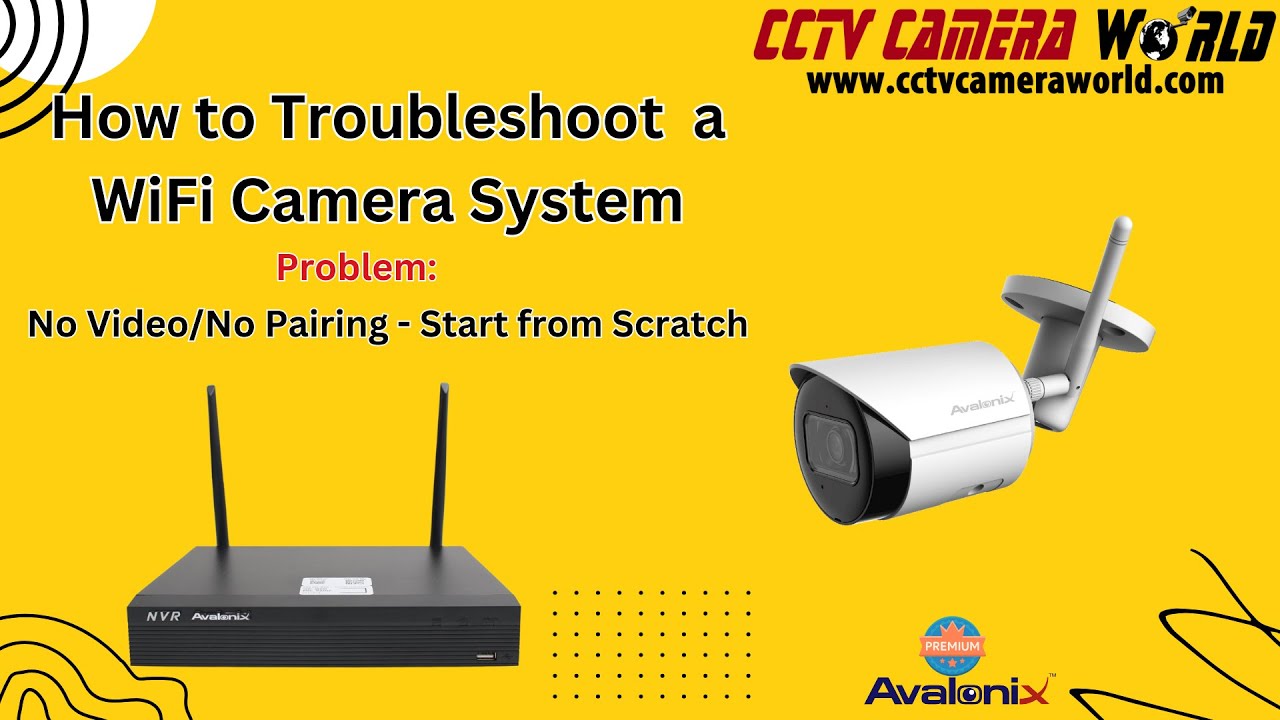
Video: How to Troubleshoot a WiFi Camera System - No Video/No Pairing - Start from Scratch — a practical walkthrough of the technology discussed in this guide.
Frequently Asked Questions
1. Can my housing association ban me from having any CCTV?
Answer: A blanket ban on all CCTV, including indoor cameras, would likely be unreasonable under the terms of the tenancy agreement. However, a ban on externally mounted cameras that alter the property structure is enforceable. Reasonable accommodation for security concerns should be provided. For more detail, see Offices and Commercial Buildings CCTV - UK legal requirements and GDPR compliance 2026. Also read our related guide: Why Your PoE Camera Reboots When Night Vision Activates — The Voltage Drop Problem Nobody Warns You About. Browse our comprehensive CCTV knowledge base at CCTV Systems Guide. Official UK guidance on this topic: GOV.UK.
2. Do I need council permission for a Ring doorbell?
Answer: Most councils now accept adhesive-mount Ring doorbells as a reasonable security measure. However, some council tenancy agreements still require written permission. Check your specific tenancy agreement and the council's published CCTV policy. For more detail, see Warehouses and Logistics CCTV - UK legal requirements and GDPR compliance 2026. Also read our related guide: The Spider Web Problem: Why Your Night Vision CCTV Captures Nothing But Glowing Blur and What Actually Works.
3. What happens if my council CCTV is reported by a neighbour?
Answer: The council will investigate. If the camera breaches your tenancy agreement or captures beyond your boundary, you will be asked to reposition or remove it. If you comply promptly, no further action is taken. If you refuse, the council may serve a notice requiring removal. For more detail, see Best CCTV cameras for Warehouses and Logistics in 2026 - UK buyer guide. Also read our related guide: Why CCTV Behind Glass Fails at Night: The Physics of IR Reflection Through UK Windows.
4. Can the council use my CCTV footage against me in an ASB case?
Answer: If your camera captures your own property, the footage may be requested by the council under the terms of your tenancy agreement. Refusing to provide footage of your own property that shows your own activities could be a breach of the tenancy terms. For more detail, see How much does Warehouses and Logistics CCTV cost in 2026? UK prices explained. Also read our related guide: The Ground Loop Problem: Why Horizontal Lines Roll Across Your CCTV Image and How to Fix Them Instantly.
5. Does right to light or privacy affect where I can install CCTV in a council property?
Answer: Privacy and light are separate from CCTV installation permissions. Even with permission to install a camera, you must position it to avoid intruding on neighbours' privacy. GDPR and the Data Protection Act 2018 apply equally to council tenants as to homeowners. Also read our related guide: Why Your AI Security Camera Flags a Washing Line as a Person: The Training Data Blind Spot.

Conclusion
The difference between a security system that works and one that frustrates is understanding the real-world behaviour of cameras, cables, and the environment they operate in. Manufacturers sell specifications. Installers solve problems. The questions above represent the issues that UK homeowners and businesses actually face — the ones the spec sheets do not mention.
Article by Gary Pearce, qualified security systems engineer. For a free security assessment, visit gary-pearce-home-services.pages.dev. This guide was last updated June 2026. Verify current UK regulations with the ICO.