Last updated: June 2026
The lens window of a CCTV camera is an optical component that can be permanently damaged by common household cleaning products and materials. A camera that has been cleaned with the wrong product often has worse image quality after cleaning than before. UK homeowners who clean their camera lenses with window cleaner, kitchen roll, or abrasive materials cause scratches, coating removal, and haze that cannot be reversed.

Materials That Damage Camera Optics
Household glass cleaners contain ammonia and other chemicals that strip the anti-reflective coating from glass camera lenses and cause crazing (micro-cracking) of polycarbonate dome windows. Paper towels and facial tissues contain wood fibres that are harder than the lens coating and cause micro-scratches visible under IR illumination at night. Multi-surface wipes contain alcohol concentrations above 70% that can soften and swell plastic dome windows, creating permanent distortion. Abrasive sponges (Scotch-Brite style) will destroy any optical surface in seconds. Tap water contains dissolved minerals that leave residue spots after drying, which attract dust and degrade IR performance.
The Correct Cleaning Procedure for Camera Lenses
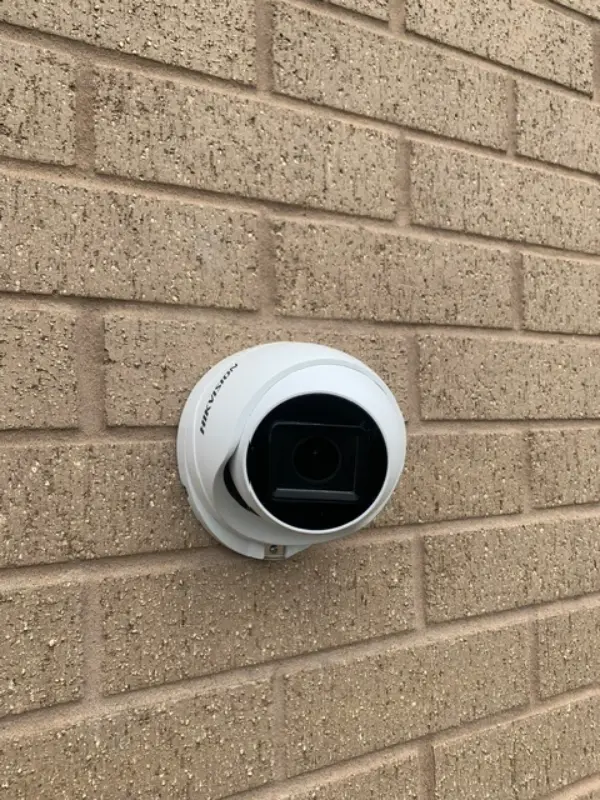
First step: use compressed air or a soft blower brush to remove loose dust and grit. Do not use a canned air duster held at an angle that may spray propellant onto the lens. Second step: apply a lens cleaning solution (distilled water with a drop of mild dish soap, or dedicated optical cleaning fluid) to a microfiber cloth — never directly to the lens surface. Third step: wipe the lens in a single direction (not circular) with minimal pressure. A circular motion can create swirl marks visible at night. Fourth step: use a dry section of the microfiber cloth to buff the surface. If residue remains, repeat with a fresh cleaning solution. For plastic domes, use only plastic-specific optical cleaner that does not contain ammonia or alcohol.
How Often Should You Clean Your Cameras
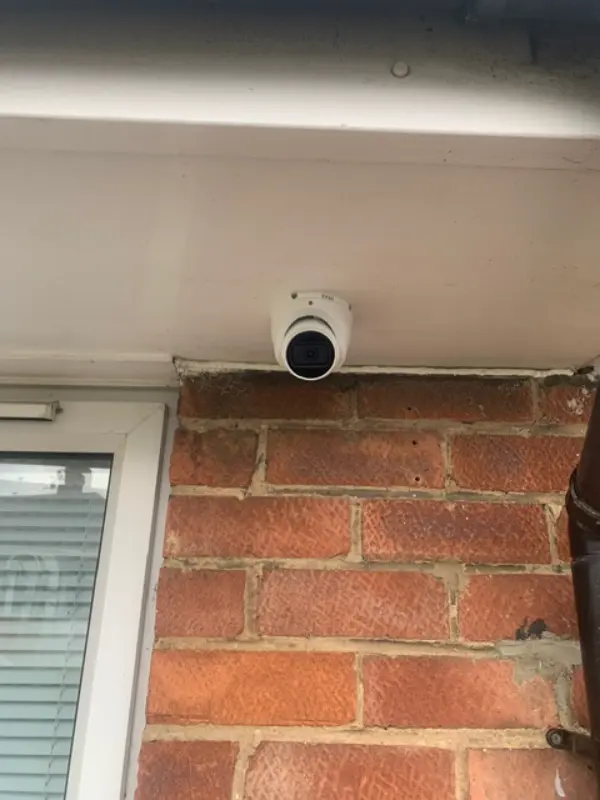
Schedule cleaning at minimum: every 6 months for sheltered cameras (under eaves), every 3 months for exposed cameras, and after any storm that deposits dust, pollen, or salt spray on the lenses. Dome cameras need more frequent cleaning than bullet cameras because flat surfaces accumulate debris faster than curved surfaces. In autumn, check weekly for leaf residue. In spring, check for pollen accumulation. A camera that appears to have reduced night vision, visible haze, or spot artefacts in the IR image needs cleaning. After cleaning, check the image quality in both day and night mode to confirm the cleaning improved rather than degraded the image.
When Cleaning Cannot Fix the Problem
A camera with a fogged or hazy image that does not improve after cleaning has internal condensation or UV damage to the plastic dome. Internal condensation requires disassembly and desiccant placement. UV damage to a polycarbonate dome (yellowing, frosted appearance, micro-cracking) cannot be repaired; the dome window must be replaced. For glass lens windows, persistent stains that do not wipe off may be etching from acidic bird droppings or salt spray, which requires professional lens repolishing or replacement.

Video: Stop retail shrink: AI loss prevention from aisle to checkout | SeeChange
Frequently Asked Questions
1. Can I use window cleaner on my CCTV camera lens?
Answer: No. Ammonia-based glass cleaners strip the anti-reflective coating from glass lenses and cause crazing of plastic domes. Use dedicated optical cleaning fluid or a distilled water and mild soap solution. For more detail, see Does Gyms and Fitness Centres CCTV reduce insurance premiums in 2026? UK guide. Also read our related guide: Cable Testing After CCTV Installation: TDR and Continuity. Browse our comprehensive CCTV knowledge base at CCTV Systems Guide. Official UK guidance on this topic: SSAIB.
2. What should I use to clean camera lenses?
Answer: A microfiber cloth designed for optics (not a cheap multi-purpose cloth), with distilled water and a drop of mild dish soap, or dedicated plastic lens cleaner for dome cameras. For more detail, see Can you record activity on a neighbour's grazing land without explicit permission? UK Farms and Agricultural Property CCTV rules explained 2026. Also read our related guide: Seasonal CCTV Maintenance Checklist for UK Properties.
3. How often should I clean my CCTV cameras?
Answer: Every 6 months for sheltered cameras, every 3 months for exposed cameras, after storms, and seasonally (weekly in autumn for leaves, monthly in spring for pollen). For more detail, see Best CCTV cameras for Hotels and Hospitality in 2026 - UK buyer guide. Also read our related guide: Battery Camera Replacement Schedule for UK Users.
4. Can I use paper towels to clean camera lenses?
Answer: No. Paper towels and tissues contain wood fibres that are harder than optical coatings and create micro-scratches visible under IR illumination. Use only dedicated microfiber cloths for optics. For more detail, see Farms and Agricultural Property CCTV - UK legal requirements and GDPR compliance 2026. Also read our related guide: Camera Sunsetting: When Support Ends for IP Cameras.
5. What should I do if the image is still hazy after cleaning?
Answer: Internal condensation or UV damage to the plastic dome may be the cause. Internal condensation requires disassembly and desiccant. UV-damaged domes need replacement. Neither can be fixed by cleaning the outer surface. Also read our related guide: System Audit Checklist: Annual CCTV Review.

Conclusion
The difference between a security system that works and one that frustrates is understanding the real-world behaviour of cameras, cables, and the environment they operate in. Manufacturers sell specifications. Installers solve problems. The questions above represent the issues that UK homeowners and businesses actually face — the ones the spec sheets do not mention.
Article by Gary Pearce, qualified security systems engineer. For a free security assessment, visit gary-pearce-home-services.pages.dev. This guide was last updated June 2026. Verify current UK regulations with the ICO.