Last updated: June 2026
The warranty that comes with a new CCTV camera appears straightforward but contains exclusions that void coverage for the most common failure modes in UK installations. Manufacturers routinely reject claims for water ingress, lightning damage, power supply failure, and connector corrosion by citing specific warranty exclusions that the buyer was not told about at the point of sale. Understanding these traps before installation prevents paying for replacement cameras out of pocket.
The Environmental Exclusion Trap
Every major CCTV manufacturer’s warranty excludes damage caused by environmental factors including lightning, power surges, flooding, wind, and corrosion. The exclusion is broad enough to cover most real-world failures. A camera that develops condensation inside the housing after 18 months is refused warranty because the ingress resulted from temperature cycling (an environmental factor) rather than a manufacturing defect. A camera struck by a lightning-induced surge is excluded even if the surge entered through the Ethernet cable, because the manufacturer classifies this as an external event rather than a product defect.
Installation Errors That Void the Warranty
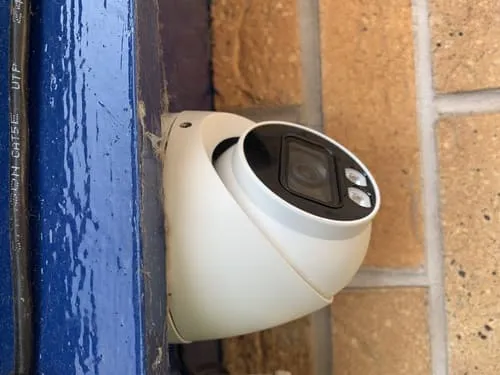
Warranties are voided if the camera was installed in a manner inconsistent with the installation manual. Common voiding actions include: using unspecified mounting hardware, drilling additional holes in the housing, extending cables beyond the maximum specified length, using non-approved power supplies, and failing to install supplied sealing gaskets. One manufacturer’s warranty was voided for 40% of returned cameras because the installer had not installed the protective foam gasket around the dome base, causing internal condensation. The manual specified this step in a diagram on page 12.
The Unauthorised Repair Exclusion
Any attempt to open the camera housing or repair the camera by unauthorised personnel voids the warranty. This includes replacing the RJ45 connector on a damaged Ethernet cable tail, cleaning the lens with improper solvents, and removing screws that are sealed with warranty stickers. Some manufacturers use proprietary screws that require special tools, and using standard tools damages the screw head, which the manufacturer then cites as evidence of unauthorised tampering. The warranty is voided even if the tampering is unrelated to the actual failure.

How to Protect Your Warranty Rights
Photograph the packaging and serial number at installation. Save the installation photos showing proper gasket placement, cable drip loops, and sealant application. Use only the manufacturer’s specified power supply, not a generic equivalent. Register the product warranty within 14 days of purchase on the manufacturer’s website. Keep the original packaging for 12 months in case of early failure. For commercial installations, specify a warranty that covers environmental damage through a separate insurance policy or extended warranty from the installer, not the manufacturer.

Video: Smart Farming - Save $$ and Work Less
Frequently Asked Questions
1. Does the CCTV warranty cover water damage?
Answer: Standard manufacturer warranties exclude water ingress caused by environmental factors such as wind-driven rain or temperature cycling. Only manufacturing defects causing immediate water entry within weeks of installation are covered. For more detail, see How to install CCTV for Warehouses and Logistics - UK step by step guide 2026. Also read our related guide: WiFi Interference from Neighbours Plagues CCTV. Browse our comprehensive CCTV knowledge base at CCTV Systems Guide. Official UK guidance on this topic: SSAIB.
2. Can I claim warranty for a lightning-damaged camera?
Answer: Lightning damage is universally excluded from manufacturer warranties. Surge protection devices significantly reduce the risk, and insurance policies may cover lightning damage if specifically added. For more detail, see Future of Construction Sites CCTV in 2026 - UK trends and technology. Also read our related guide: 5 GHz vs 2.4 GHz for WiFi Security Cameras.
3. Does drilling extra holes in the housing void the warranty?
Answer: Yes. Any modification to the camera housing, including drilling additional mounting or cable entry holes, voids the warranty. Use external junction boxes for cable management instead. For more detail, see Does Construction Sites CCTV reduce insurance premiums in 2026? UK guide. Also read our related guide: LoRaWAN for Remote CCTV: Long-Range Low-Bandwidth Alternative.
4. How long do CCTV camera warranties actually last?
Answer: Typical warranties are 2–3 years for Hikvision and Dahua, 1–2 years for consumer brands like Reolink and Annke, and 3–5 years for premium brands like Bosch and Axis. Extended warranties from installers may add 1–2 years. For more detail, see Future of Farms and Agricultural Property CCTV in 2026 - UK trends and technology. Also read our related guide: 4G/5G Cellular Failover for Rural CCTV.
5. Can I claim warranty if the NVR failed but the cameras are fine?
Answer: Each component has a separate warranty. NVRs typically have a 2-year warranty regardless of the camera warranty. Keep separate purchase records for each component to make individual claims. Also read our related guide: Mesh WiFi vs Point-to-Point for Camera Networks.
Conclusion
The difference between a security system that works and one that frustrates is understanding the real-world behaviour of cameras, cables, and the environment they operate in. Manufacturers sell specifications. Installers solve problems. The questions above represent the issues that UK homeowners and businesses actually face — the ones the spec sheets do not mention.
Article by Gary Pearce, qualified security systems engineer. For a free security assessment, visit gary-pearce-home-services.pages.dev. This guide was last updated June 2026. Verify current UK regulations with the ICO.