Last updated: June 2026
Audio analytics for security cameras are marketed as capable of detecting gunshots, glass breaks, and aggression through sound analysis alone. The reality is that audio detection in outdoor UK environments has high false positive rates, limited range, and specific environmental conditions that reduce reliability. Understanding the capabilities and limitations of audio analytics prevents reliance on a technology that may not perform as expected in real-world conditions.
How Audio Analytics Work
Audio analytics analyse the frequency spectrum, amplitude envelope, and temporal pattern of sound captured by the camera’s built-in microphone. Gunshot detection looks for a sharp transient peak (10–50 ms) with a specific frequency signature (300–3,000 Hz for most firearms). Glass break detection analyses the two-phase signature: the initial impact (flexing the glass) followed by the shatter (high-frequency fragments). The analysis must distinguish these sounds from similar acoustic events: a car backfiring (similar to a gunshot), a dropped tray (similar to glass break), or a dog barking (similar amplitude envelope).
False Positive Rates in UK Environments
In urban and suburban UK environments, audio analytics face constant challenge sounds. Gunshot detection on a camera mounted at a typical UK property triggers on: vehicle backfires (the most common false positive, occurring 2–5 times per week on busy roads), fireworks (seasonal, October–November and December–January), construction noise (hammering, nail guns), and slamming doors. Glass break detection triggers on: bin lid closures, dropped metal objects, thunder, and children playing. Independent testing shows outdoor gunshot detection accuracy of 60–80% in quiet conditions dropping to 30–50% in urban environments. False positive rates of 5–15 per day are common in suburban locations.
Range Limitations of Camera Microphones
A camera’s built-in microphone is typically a small electret condenser microphone with a 3–6 mm diameter diaphragm. This microphone has useful sensitivity of approximately 5–10 metres for normal conversation and 15–25 metres for loud sounds like gunshots or glass break. Beyond this range, the signal-to-noise ratio is too low for reliable detection. Wind noise further reduces range: in breezy conditions above 15 mph, wind across the microphone port generates noise that masks audio events. External dedicated audio sensors with larger diaphragms and wind protection achieve ranges of 30–50 metres for gunshot detection but require separate installation and cabling.
The Role of Audio Analytics in a Security System
Audio analytics work best as a secondary trigger, not a primary detection method. A gunshot detection alert should trigger the camera to record and send a notification, but it should not be relied upon as the sole detection mechanism. Audio analytics complement motion detection by detecting events outside the camera’s field of view: a glass break at the side of the house that the camera cannot see, or an argument in the garden behind a hedge. For this reason, audio analytics are most valuable when combined with AI video analytics: the video confirms what the audio detected, and the audio alerts the system to events outside the camera’s view.
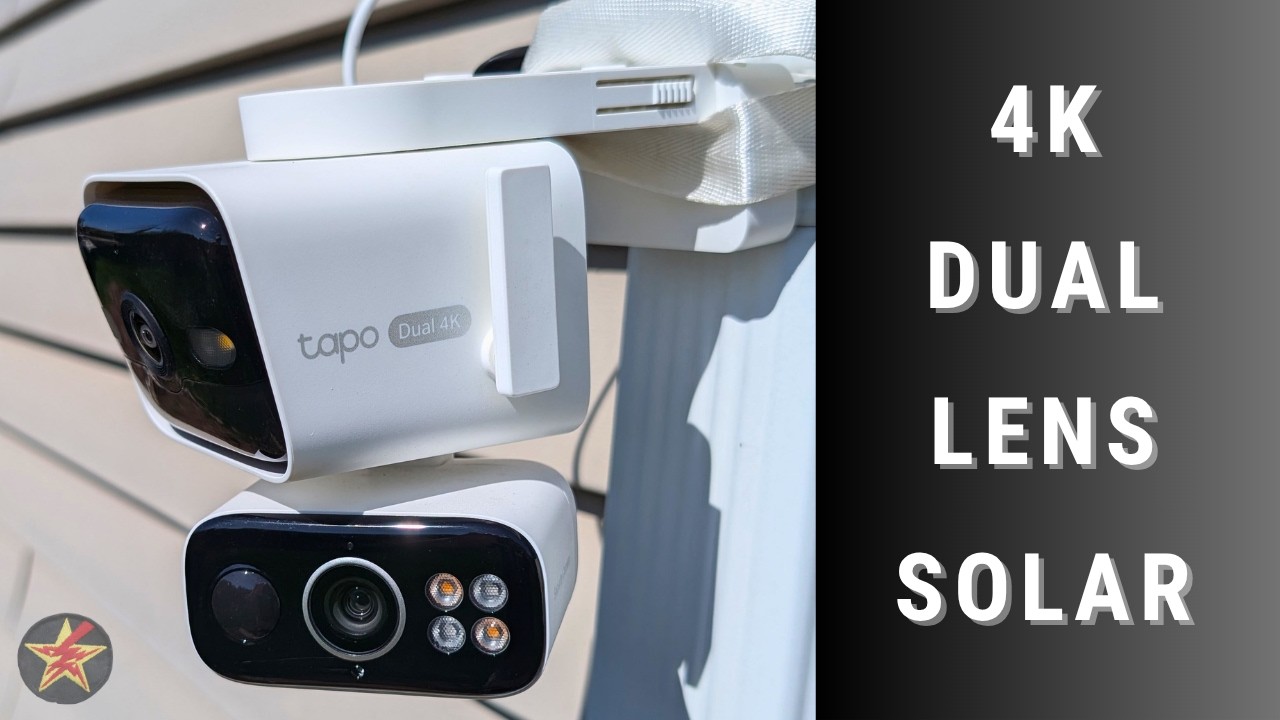
Video: Tapo C675D Kit Review - Is the Hype Justified?
Frequently Asked Questions
1. Can CCTV cameras detect gunshots accurately?
Answer: In controlled quiet environments, gunshot detection accuracy is 60–80%. In UK urban environments with traffic, construction, and other noise, accuracy drops to 30–50% with high false positive rates. For more detail, see Does Car Parks CCTV reduce insurance premiums in 2026? UK guide. Also read our related guide: Alexa and Google Home CCTV Integration Quirks. Browse our comprehensive CCTV knowledge base at CCTV Systems Guide. Official UK guidance on this topic: SSAIB.
2. What causes false glass break detection on CCTV?
Answer: Vehicle backfires, fireworks, construction noise, slamming doors, bin lids, dropped metal objects, and thunder all trigger false glass break alerts. Urban locations see 5–15 false positives per day. For more detail, see Does False Alarm Reduction CCTV reduce insurance premiums in 2026? UK guide. Also read our related guide: Home Assistant CCTV Setup Challenges.
3. What range does a camera’s microphone cover for audio detection?
Answer: Built-in camera microphones detect loud sounds at 15–25 metres in quiet conditions. Normal conversation range is 5–10 metres. Wind noise above 15 mph significantly reduces range. For more detail, see Self Storage Facilities. Also read our related guide: IFTTT Reliability for Camera Triggers.
4. Should I rely on audio analytics as my primary security detection?
Answer: No. Audio analytics work best as a secondary trigger complementing AI video analytics. The audio detects events outside the camera’s view, and the video confirms what the audio detected. For more detail, see How much does Car Parks CCTV cost in 2026? UK prices explained. Also read our related guide: ONVIF with Smart Hubs: Compatibility Hell.
5. Can I add external audio sensors to my CCTV system?
Answer: Yes. External audio sensors with larger diaphragms and wind protection provide 30–50 metre range and better accuracy. They connect to the camera’s audio input or through a separate alarm input on the NVR. Also read our related guide: Apple HomeKit Secure Video Limitations.
Conclusion
The difference between a security system that works and one that frustrates is understanding the real-world behaviour of cameras, cables, and the environment they operate in. Manufacturers sell specifications. Installers solve problems. The questions above represent the issues that UK homeowners and businesses actually face — the ones the spec sheets do not mention.
Article by Gary Pearce, qualified security systems engineer. For a free security assessment, visit gary-pearce-home-services.pages.dev. This guide was last updated June 2026. Verify current UK regulations with the ICO.